The Paradox of Inflationary Pressures
While inflation seems to be cooling, with recent reports from the Bureau of Labor Statistics (BLS) indicating a rate of 3.3%, the true landscape is anything but serene. This rate, down from the peaks of the previous years, suggests a sense of relief, yet the surface gloss hides relentless tensions in the economy. Who truly benefits from this scenario, and at what cost to others?
Expectations versus the Day-to-Day Reality
Consider the consumer: expectations have adjusted. The Federal Reserve’s hawkish tone, which once insisted on aggressive rate hikes to tame inflation, now seems to pivot cautiously in light of data indicating slower growth. Small variations in inflation rates—which may be minuscule on paper—can knock consumer sentiment and spending patterns dramatically off-balance. Bridging the consumer experience with figures reveals stark discrepancies. The latest BLS data indicates that energy prices have surged, particularly in the Midwest where consumers are grappling with an almost 20% rise in utility costs year-over-year. This statistic contrasts sharply with the national narrative of easing inflation, raising questions about the targeted relief that policymakers promise versus the actual pain felt in daily budgets.
Unearthing the Hidden Trends
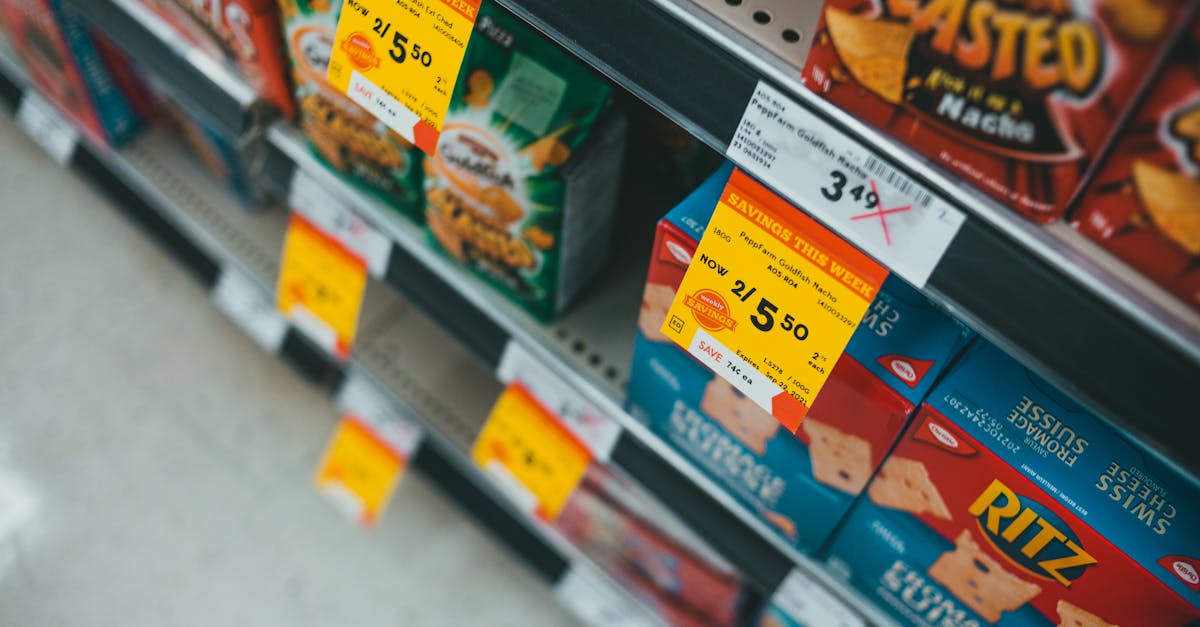
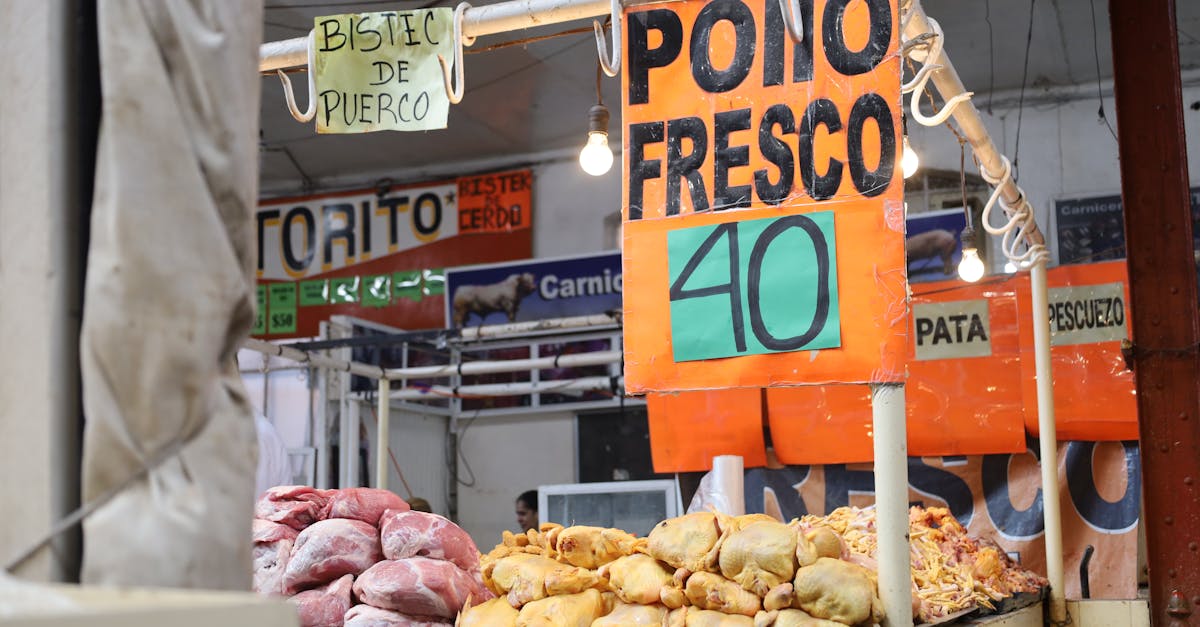
Not all inflation news receives the headlines. A closer look reveals that while many commodities have stabilized, food prices remain a sore point, climbing by 9.2% annually. The rural sector feels this more acutely than urban dwellers, leading to a widening disparity within the country. Distribution challenges, lingering supply chain issues, and climate impacts uniquely affect food producers, yet the broader discussion often glosses over this critical slice of the American economy.
Peeling back the layers reveals another troubling trend—the divergence in inflation rates across regions. New York, home to elevated living costs, has experienced a 4% inflation rate, yet rural states like Montana lament only a 2.5% increase. What does this mean for the real estate market and small businesses in these regions? The narrative crafted by economic forums often neglects highlighting how these varied inflation experiences create uneven growth opportunities and financial strain across the nation.
Winners and Losers in the Inflation Game
The current inflationary environment inevitably produces both winners and losers. Tech giants are basking in the glory of high demand for digital services, reporting double-digit revenue growth even amid rising inflationary costs. In stark contrast, small retailers and service providers are watching their margins erode. The inflationary pressures tilt the scales of competition decidedly in favor of the big players while suffocating the lifeblood of local entrepreneurship.
This dynamic intensifies questions regarding the sustainability of our economic recovery, with consumers tightening their belts and opting for necessity over luxury. How does this bode for a consumer-driven economy that thrives on spending?
The Decisive Fork Ahead
As policymakers and economists debate the future—whether to maintain the current stance or adopt a more aggressive intervention—it remains unclear how this balancing act will manifest across various sectors. Will calming inflation enable stability, or will the net result be economic stagnation paved with skewed opportunities? What lies ahead is a landscape fraught with complexity, requiring keen observations beyond the standard metrics. The fork is clear: will we see targeted interventions that bridge the widening gulf of economic variance, or will underlying inequalities remain unaddressed? The path ahead could redefine not just inflation but the very nature of consumer engagement in the economy.