A Family Around the Dinner Table
Samantha and Mark sat down for dinner with their children, an activity they cherished amidst their busy routines. Tonight’s dinner was especially poignant; they were able to scramble together tacos using the last of their groceries and a few items from a recent delivery. Just the day before, Mark had checked his investment portfolio, a mix of stocks that had consistently brightened the family’s outlook. With the S&P 500 index climbing back to record highs, he felt a familiar sense of relief—until he remembered the growing cost of groceries and gas and the questions lurking beneath the surface…
The Stock Market Roller Coaster
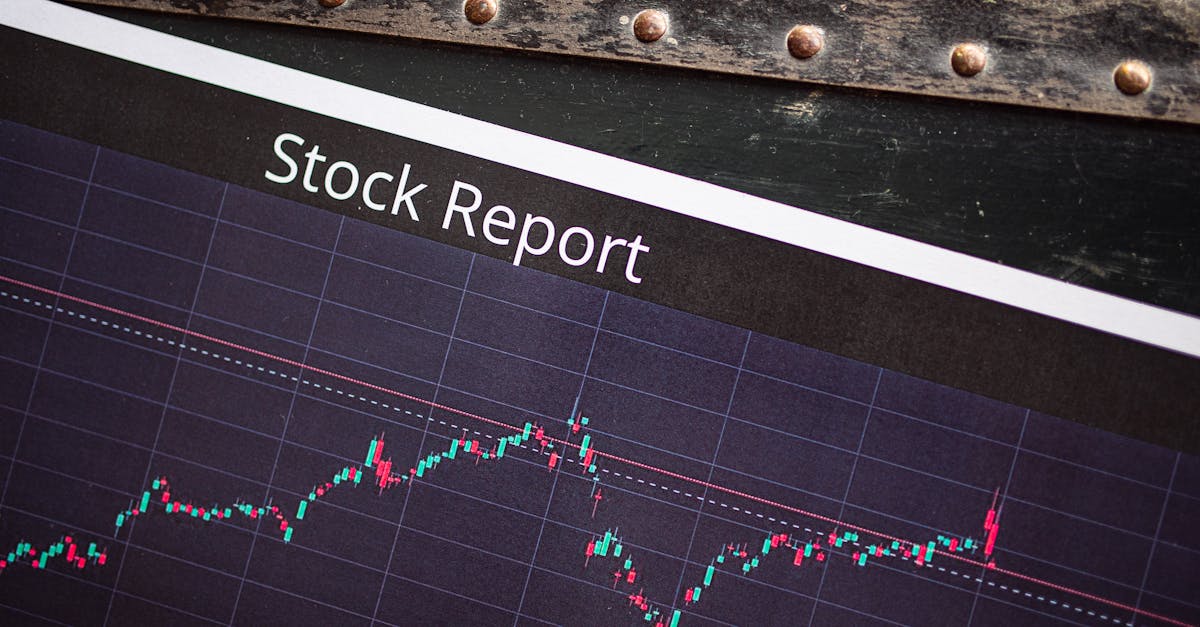
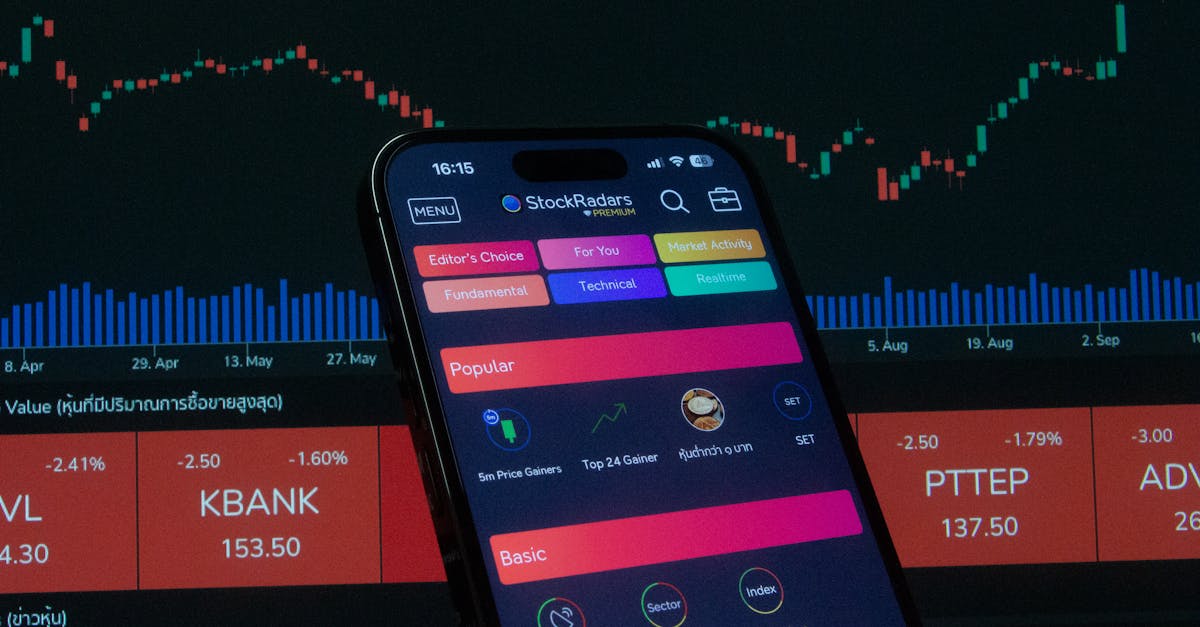
Since the recent downturn in 2023, the stock market had experienced a remarkable recovery, weathering economic storms like inflation lingering at 4.2% and an unemployment rate sitting at 4.3%. For many investors like Mark, the market’s upward trajectory provided a temporary veil over the challenges posed by rising living costs. As of early May, the market saw innovative companies, especially in technology and renewable energy, driving investor optimism. Mark’s investments, reflective of these trends, were a source of hope, becoming increasingly synchronized with his family’s financial prospects.
Imagine the S&P 500 as a gigantic roller coaster; after falling sharply, it made an exhilarating ascent much to the delight of those strapped in for the ride. This ascent pushed the index over 4,200 points recently, symbolizing the confidence of many in the face of economic headwinds. While Mark celebrated his growing portfolio, he remained acutely aware of rising prices and potential interest rate hikes, currently pegged at 3.63%.
Wages and Workings
On the flip side of this buoyant market landscape, Samantha, a project manager at a local construction firm, felt the tension of the current economic climate firsthand. Her wage had stagnated amid the buzzing stock market, and even her recent raise barely kept pace with inflation, which clawed at their finances like an uninvited guest. Companies reported higher profit margins, driven in large part by cost-cutting measures and price increases—not necessarily translating into higher wages for working families.
In a country where the disparity between wage growth and inflation is stark, it’s easy to see why families like Samantha and Mark are anxious. Working Americans saw an increase in their real wages by a modest 0.5% adjusted for inflation over the past year, but when essentials like food and housing are surging, even that increase feels fleeting. A trip to the grocery store revealed how their shopping cart had picked up a bill that sounded larger than the numbers on the price tags!
The Missing Link
As dinner progressed, Mark candidly shared his worries with Samantha. He felt a disconnect: the stock market’s resurgence did not translate into tangible relief for families struggling to make ends meet. It was troubling to think that while the markets flourished, it hardly buffered the blows of inflationary pressures experienced daily. They discussed how the financial well-being of most families often hinges on more elusive factors than market fluctuations—comprising policies, earnings reports, and macroeconomic trends that seemed to dance around them but rarely offered true comfort.
This juxtaposition pushed the couple to reassess their financial strategies and savings. Should they continue investing for the long term, or pull back and focus on immediate necessities? The flexibility of their approach could mean enduring some market volatility while securing financial stability.
Full Circle at the Table
Dinner wound down with the kids playfully arguing over who got the last piece of taco. Amid their laughter, Mark and Samantha glanced at the table—a metaphor for their lives—layered with the ingredients of investment returns, family needs, and external economic pressures. The stock market’s ebbs and flows could very well influence their choices, but at that moment, their priority would remain rooted in securing a stable path for their family. Conversations around the dinner table would need to evolve, just as the market did, revealing not just numbers but the very real impact on their day-to-day existence.
Thus, while the stock market may continue to display vibrant gains, the story of Samantha and Mark reflects a truth often overshadowed in financial headlines: dignity in every family’s struggle amidst economic oscillations remains paramount.