When the Dollar Dances: A Family’s Journey Through Exchange Rates
Imagine the Johnson family, who recently planned a long-awaited trip to Europe. With their bags packed for a summer adventure in Paris, they feel excited but also apprehensive about the dollars that must be converted to euros. As they sit down to calculate their budget, they realize that the exchange rate has fluctuated dramatically in recent weeks.
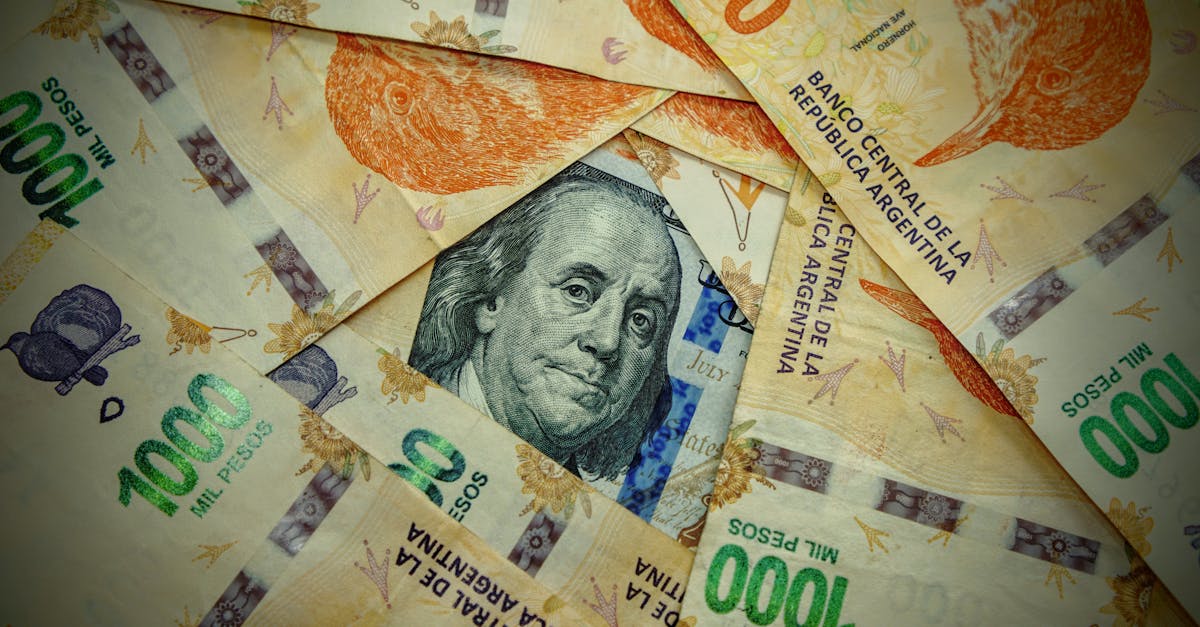
As of now, each dollar exchanges for around 0.92 euros. Their initial estimate had the rate averaging around 0.95 euros with prior research indicating that 1 dollar could once buy nearly 1.2 euros during favorable economic conditions. This sudden shift means that for every $1,000, they can now expect only about €920 instead of the €950 they had initially planned for. Therefore, their European aspirations come with a $30 loss before they’ve even begun their journey.
At home, the implications of exchange rates stretch far beyond the Johnsons’ vacation plans. Small businesses that import goods feel the sting when the dollar weakens. The family’s favorite local café, which sells authentic Italian espresso, relies on imported beans. As the dollar weakens against the euro, the cost of these imports rises. If the café owner buys $1,000 worth of beans, she may find herself paying significantly more in euros due to the declining exchange rate. This ripples through the local economy: higher prices may lead to fewer customers who can afford luxuries.
To appreciate how exchange rates tie back into the larger economic picture, consider recent inflation numbers. The Bureau of Labor Statistics reported an inflation rate of 3.3%, effectively eating away at purchasing power, and this can often be exacerbated by exchange rate changes. If the dollar drops in value against foreign currencies, it makes imports costlier, which, when combined with inflation, creates a pernicious cycle that impacts both consumers and businesses alike.
Meanwhile, the labor market continues to shift. As of now, the unemployment rate hovers around 4.3%. While some sectors are robust, others quietly suffer, especially those tied to international trade. When businesses face higher costs for imported materials, they become less competitive and may even find themselves needing to cut jobs. That’s a concern for the Johnsons, who have a son interested in pursuing a career in manufacturing. If local manufacturers can’t adapt to increased costs from exchange rate fluctuations, job prospects in that industry may dwindle.
Each dollar’s dance on the currency market isn’t merely a headline; it reflects lived experiences and decision-making on the ground. Families like the Johnsons make choices based on how their dollars translate to euros—and ultimately to the products and experiences they desire. The Federal Reserve’s interest rates also play a critical role, recently set at 3.64%, influencing the value of the dollar globally. As the Fed adjusts rates to combat inflation, its strategies further shape the currency landscape and ripple through exchange rates, business costs, and consumer goods pricing everywhere.
As the Johnson family boards their flight to Paris, they are aware of the inevitable economic tides that shaped their journey. With their budget tighter due to currency fluctuations, they now must choose other accommodations or activities. Instead of fine dining every night, they’re eyeing local markets for meals that won’t break the bank.
Ultimately, just like the Johnsons, we are all connected through this complex web of exchange rates, where every decimal point can shift the outcomes of business and personal plans alike. The dollar may seem just a piece of currency, but its movements orchestrate life’s many decisions, pushing families and businesses to adapt in this dynamic economic symphony.