A Trip to the Market
Maria Diaz grabbed her shopping list and headed to the local grocery store, a weekly ritual for her family of four. This time, however, the prices seemed a touch higher. Tomatoes, her son’s favorite, had crept up to $3.50 per pound, and the avocados she loved to toss into fresh salads had jumped to $2 each.
As she tossed an extra avocado into her cart, Maria contemplated whether they should avoid hosting a dinner for their friends, as even a simple meal felt like a splurge. What was causing these aches on her wallet? The answer, though not easily visible, lay in the intricate dance of exchange rates, a factor many navigate daily without realizing its impact.
Currency Currents
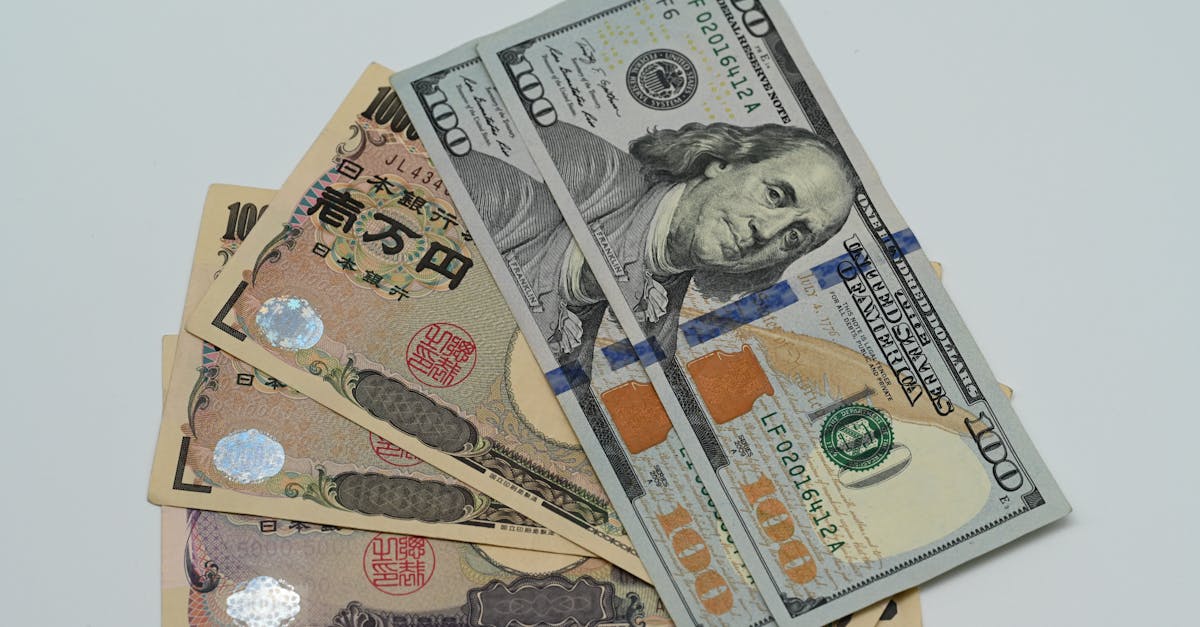
Imagine a world where the dollar is strong and purchasing power stretches across borders. This was the scenario not too long ago, when one U.S. dollar was roughly equivalent to 0.85 euros. But today, Maria’s dollar, while still powerful, has taken a bit of a tumble against major currencies, trading at 0.82 euros. This shift means that imported goods are becoming pricier, with a cacophony of challenges lurking just under the surface.
Now, when Maria noticed higher grocery prices, she unknowingly felt the consequences of a weaker dollar in her everyday life. The Bureau of Labor Statistics reported inflation hovering at 4.2%. Her usual purchases were still costing her more, mirroring the broader trends of rising prices across the economy. The inflation is so pervasive that even basic necessities were becoming luxuries.
The Business Angle
On the business front, local restaurants are bracing themselves for the ripple effects of fluctuating exchange rates. For example, Alejandro’s Taqueria, a popular fixture in town that imports avocados from Mexico, now faces increased costs. If the dollar weakens against the peso, every shipment of avocados comes at a steep premium. Alejandro, mindful of his own profit margins, hiked his guacamole price by 50 cents. He felt the consumer resistance hard—the magic number of $3 for guacamole often deterred customers from indulging.
Day-to-Day Struggles
To add to her worries, Maria learned that unemployment stood at 4.3%, which in a tight market means jobs could be harder to find just when families need extra income. With the cost of living rising, she knew that both she and her husband would need to keep their eyes peeled for any opportunity that could help offset their grocery bill shock.
Even as federal interest rates have settled at 3.63%, alongside maintaining steady mortgage payments, the potential for borrowing is complicated by inflation. Families are caught in a web where each financial decision seems to lean against them, suppressing both spending and saving when stirrings of economic growth are feeble at best.
Tying the Threads Together
By the time Maria returned home, her bags felt heavier than usual, almost symbolic of the financial weight looming over her household. As she unloaded her groceries, she also carried the burden of understanding how international currents could stir local tides. The exchange rate affects not only her shopping list but the livelihood of local businesses and a broader sense of economic health.
The next time she considered calling over friends for a weekend barbecue, she might think twice—not just about calories but also about cost. The dollar, though still powerful, had a different narrative to weave, one where Maria and her family are just as central to the economy as the currency itself. In a world where every cent counts, understanding the ripples of exchange rates has become more essential than ever in the everyday lives of American families.