Why Do Economic Conditions Vary So Greatly Across Regions in the United States?
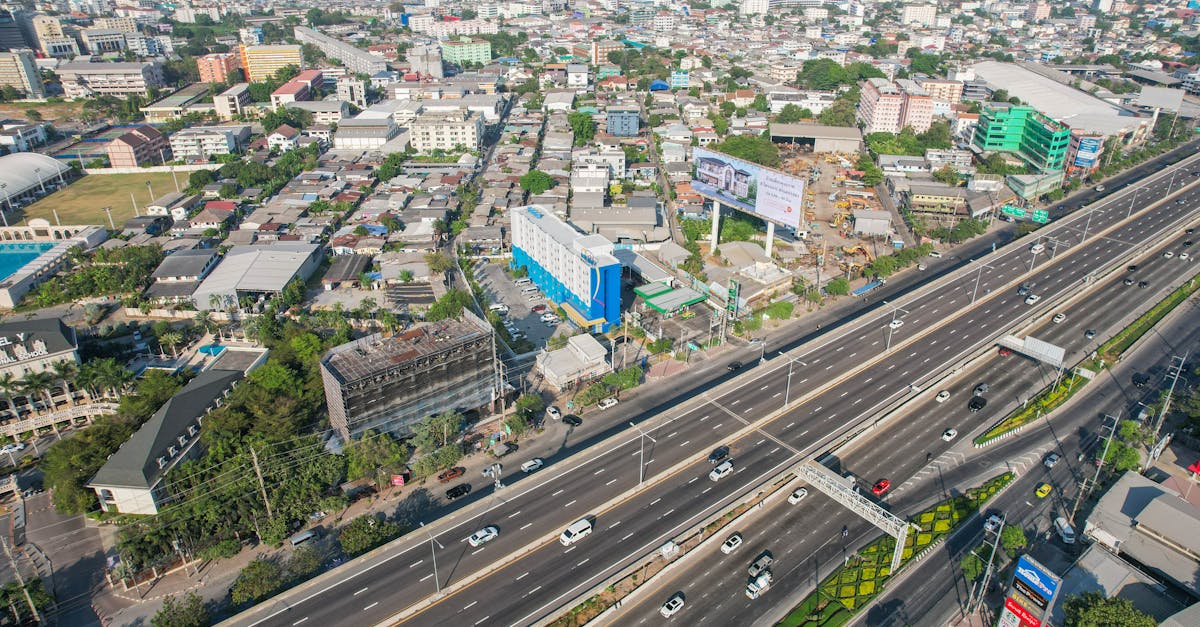
Economic disparities among U.S. regions trigger critical questions: Why does a thriving tech hub like San Francisco coexist with struggling manufacturing centers in the Midwest? The answer lies in the interplay of diverse factors including geography, industry specialization, and governmental policies.
From Geography to Economy
Geography often serves as the stage for economic action. Coastal cities tend to be economic powerhouses due to access to shipping lanes and trade routes. Conversely, rural areas may struggle to attract industries, leading to a reliance on agriculture and local services.
Mechanisms of Economic Disparity
- Industry Cluster Effects: Regions specializing in particular industries – such as Silicon Valley for technology or Detroit for automobiles – create a self-reinforcing cycle where skilled labor attracts investment, which in turn enhances job opportunities.
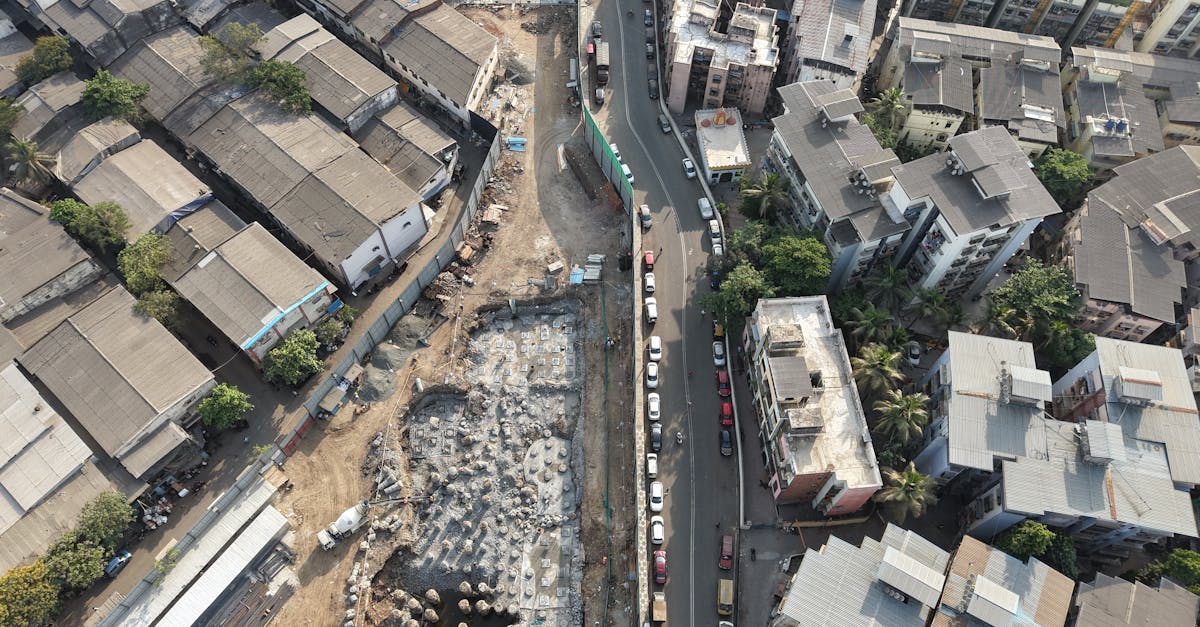
- Structural Challenges: Areas with historical reliance on declining industries face difficulties transitioning to new economic models. As factories close, unemployment spikes, leading to declining populations and a shrinking tax base.
- Policy Differences: Regional policies on taxation and incentives can affect business creation or retention. States offering tax breaks might attract more businesses compared to their more rigid counterparts.
A Peek at Current Economic Realities
The impact of these varied dynamics can be seen through pertinent statistics:
- Inflation Rate: 3.3%
- Unemployment Rate: 4.3%
- Federal Interest Rate: 3.64%
In regions plagued by higher unemployment, even moderate inflation can become a daunting obstacle. With people earning less and prices steadily rising, the struggle for everyday consumers intensifies.
Real Effects on Communities
When examining the aftermath of these economic mechanisms, consider a factory town in the Midwest transitioning to a tech-based economy. For many residents, the skills required for a Silicon Valley job are miles away—literally and figuratively.
- A High School Dropout vs. a STEM Graduate: A factory worker, unable to access retraining programs due to financial or geographical barriers, may find himself among the 4.3% unemployed. Meanwhile, the STEM graduate could be reveling in multiple job offers aligned with the booming technology sector.
- Housing Market Pressure: In tech-heavy regions, rising demand pushes housing prices beyond the reach of middle-income families, creating a divergence that exacerbates regional economic divides.
What Lies Ahead
The Federal Reserve’s interest rate policy, currently set at 3.64%, will play a significant role in shaping future economic conditions. A higher interest rate could deter investments in regions already struggling with economic transition. Conversely, communities in growth sectors may thrive despite rising costs if investment continues to flow into innovation-driven areas.
Monitoring local and national policy changes will be crucial. The responses of various regions to federal economic policies will reveal whether disparities can close or widen, laying a foundation for future economic landscapes. The focus will be on how regions harness opportunities and cope with challenges, revealing a path forward laden with both risk and potential fulfillment.