A Family’s Dream Trip
Imagine the Johnson family, longing for a vacation in sunny Spain, where cobblestone streets echo with the past, and tapas await at every corner café. They’ve diligently saved $5,000 for their two-week escapade, hoping to enjoy the luxurious local gastronomy and vibrant culture. However, their travel plans take an unexpected turn, largely dictated by international currency fluctuations.
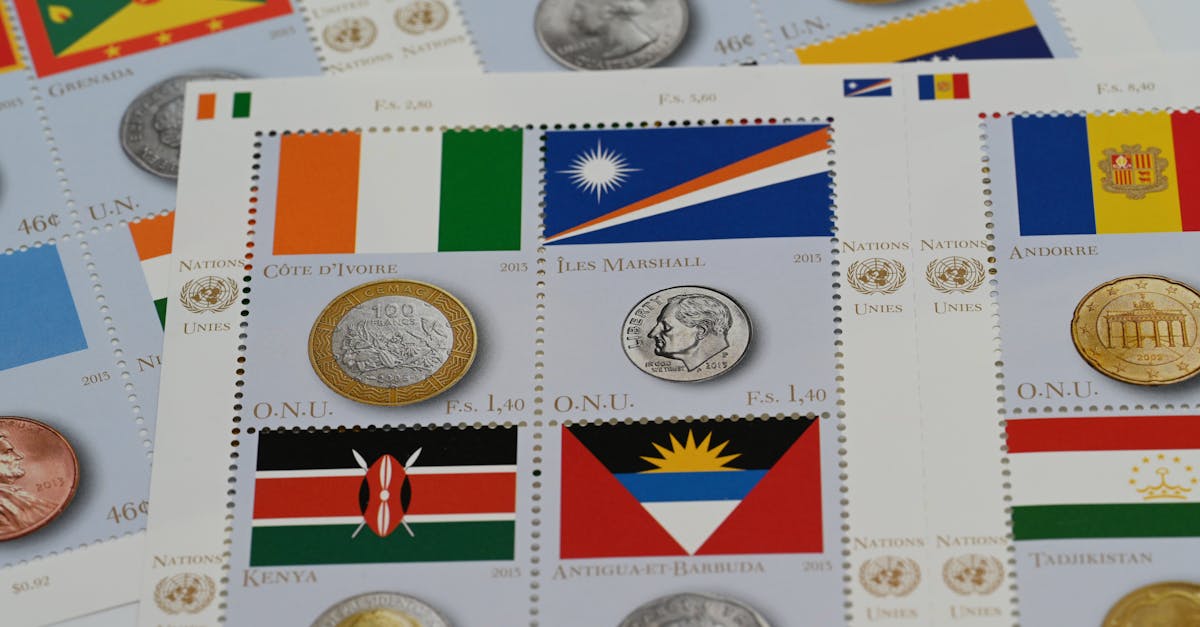
The exchange rate between the US dollar and the euro has become a critical factor in their dream. Just a couple of months ago, the rate was 1 USD to 0.95 EUR. Now, the dollar has weakened to 1 USD per 0.90 EUR. What does this mean for the Johnsons? The decline equates to a loss of purchasing power, turning their budget into something more akin to €4,500 instead of €4,750. As inflation within the U.S. resides at 3.3%, their dollar might stretch a little less effectively by the time they buy souvenirs or enjoy an extra paella.
Currency, Inflation, and Local Costs
Back home, $5,000 felt substantial. The family believed they could splurge on experiences without overstepping their budget. However, with inflation steadily sitting at 3.3%, every dollar they set aside is slowly losing value, complicating their ability to indulge in luxury dining or exciting excursions. To put this in perspective, if inflation persists, they could very well find that same €20 meal now costs them an equivalent of $25 when they transform their dollars into euros.
Meanwhile, the unemployment rate stands at 4.3%, an indicator of the economic health that echoes through neighborhoods much like that of the Johnsons. At this rate, more families are working, but the nuances of the economy are telling; the workforce is stretched, leading to competitive wage increases that may also drive general inflation higher.
The Interest Rate Dance
As the Johnsons make their vacation plans, they are unwittingly influenced by the broader economic rhythm, set by interest rates, currently located at 3.64%. For the family, this might mean reassessing how they finance their trip. They have options, from dipping into savings to leveraging credit, yet higher interest rates suggest that borrowing could cost them more. With travel expenses rising, owing money may further diminish their chance for indulgence.
Across the nation, families like the Johnsons are searching for answers. Will they prioritize their vacation, or tighten their belts in anticipation of rising prices back home? The real question pivots on whether the purchasing power of the dollar stabilizes or continues to dwindle in the face of foreign economies and domestic inflation.
Homeward Bound
Ultimately, as the Johnson family boards their flight to Madrid, a world of experiences awaits them, yet the underlying economic conditions form a continuous shadow over their adventure. Their budget of $5,000 might have more barriers than they initially identified, highlighting how interconnected global currencies can redefine the comforts of travel. Every tapas dish savored is a reminder of underlying economic forces, from exchange rates to inflation and interest rates, shaping not just their excursion but the American family experience at large.
As they stroll down the sun-kissed streets of Spain, the Johnsons will find themselves not just entangled in vibrant culture, but also in the vast web of economic factors ultimately responsible for the dream vacation they are living, all stemming from something as seemingly esoteric as the exchange rate.