A Stagnant Metric in a Shifting Landscape
U.S. labor productivity suffered a notable decline of 0.5% in the first quarter as compared to the same period last year. This downturn signals critical challenges for an economy grappling with inflationary pressures and rising interest rates. As businesses are pressured to innovate and increase output, the efficiency gains they’ve previously touted seem to be faltering at a pivotal moment.
Comparative Context: U.S. Lagging Behind
The decline in productivity puts the U.S. in a precarious position compared to its global counterparts. In contrast, Germany’s labor productivity grew by 1.1% over the same period, offering a stark reminder of how another major economy is managing efficiency amidst similar economic constraints. While U.S. productivity has enjoyed a long-term upward trend since the early 1980s, recent data reveal that this momentum has deteriorated, raising concerns among policymakers and economists alike.
Inflation and Interest Rate Pressures Weighing Down Growth
The U.S. economy isn’t just facing productivity challenges in isolation. With inflation hovering at 4.2% and the Federal Reserve maintaining interest rates at 3.63%, the environment for investment and growth has become increasingly challenging. Companies often curb expansion plans during high-inflation periods as increased borrowing costs deter business investment, thus impacting productivity growth.
Furthermore, the tight labor market—with unemployment at 4.3%—leaves employers grappling to find skilled workers, complicating efforts to enhance efficiency. The combination of tight labor conditions and rising operational costs can lead to stagnant output, emphasizing the need for innovative workforce strategies and technological investment.
The Tech Dilemma
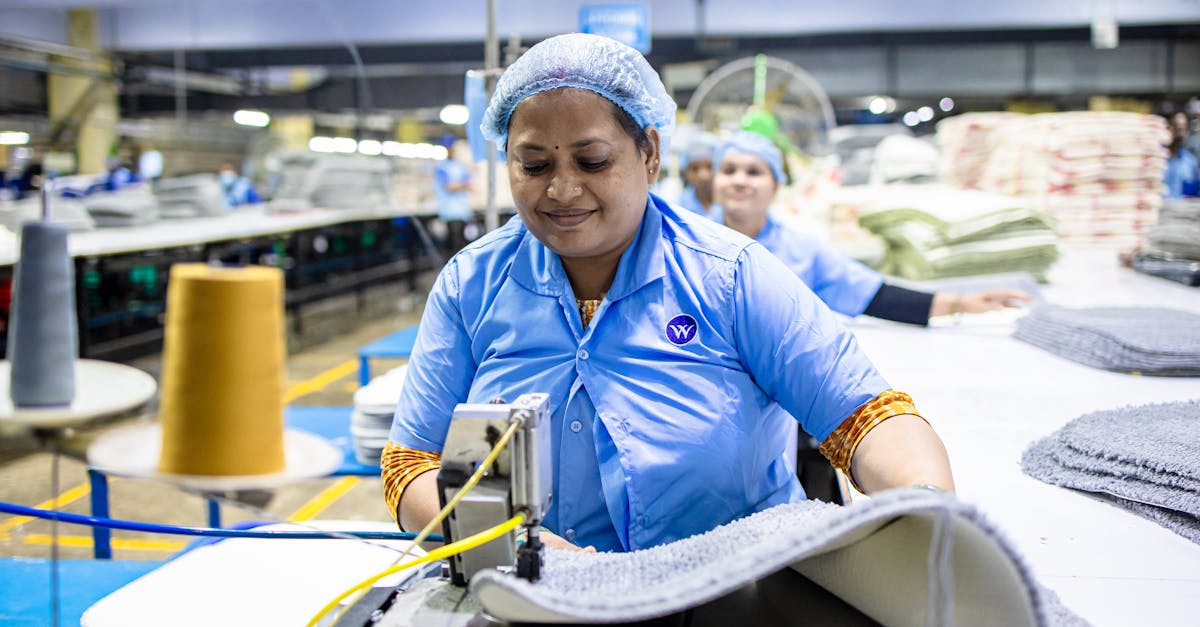
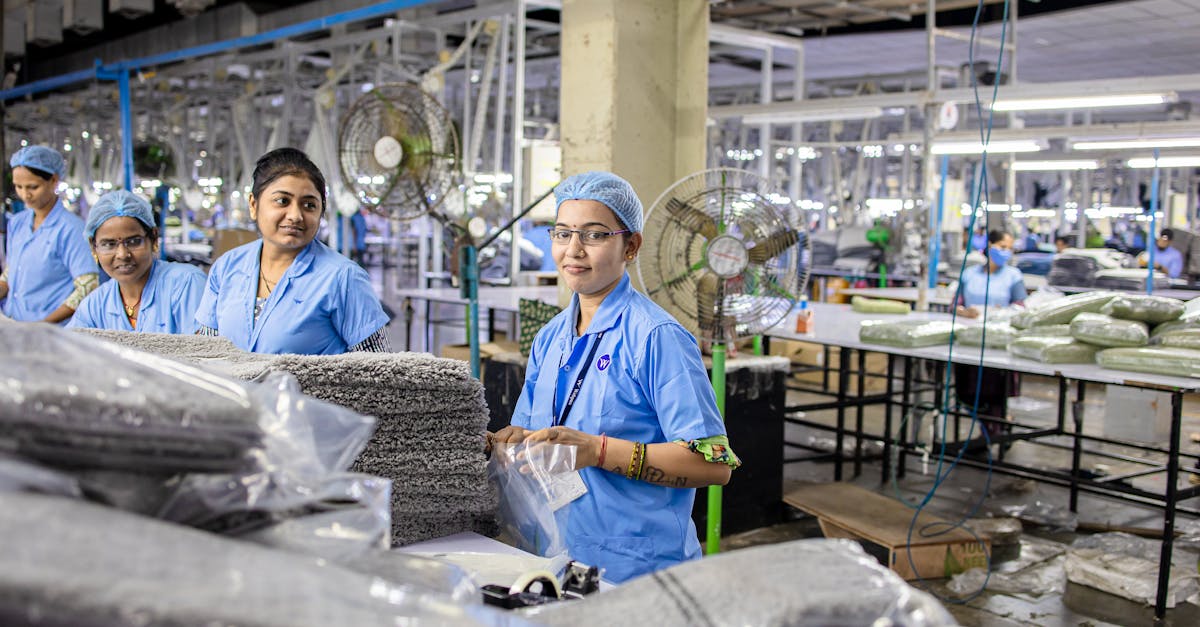
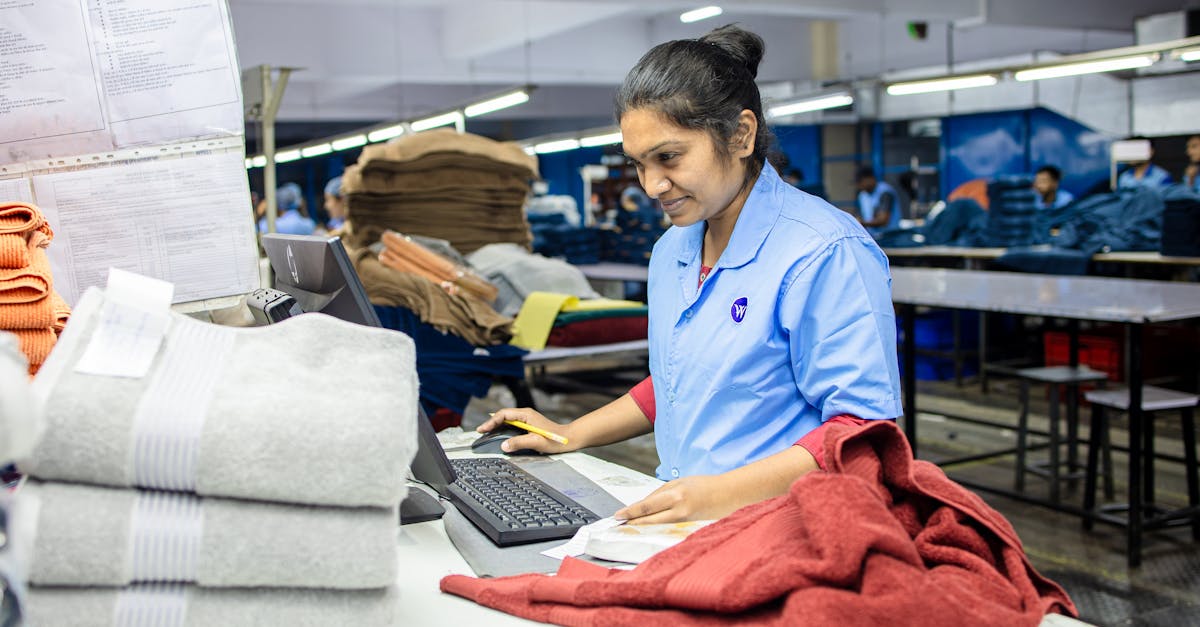
Particularly striking is the role of technology in shaping productivity trends. Companies that invested heavily in technology during the pandemic reported increased productivity, yet the broader market reflects uneven adoption rates. Industries reliant on manual labor or outdated processes may find themselves vulnerable, as operational efficiencies are increasingly tied to advancements in automation and digital tools.
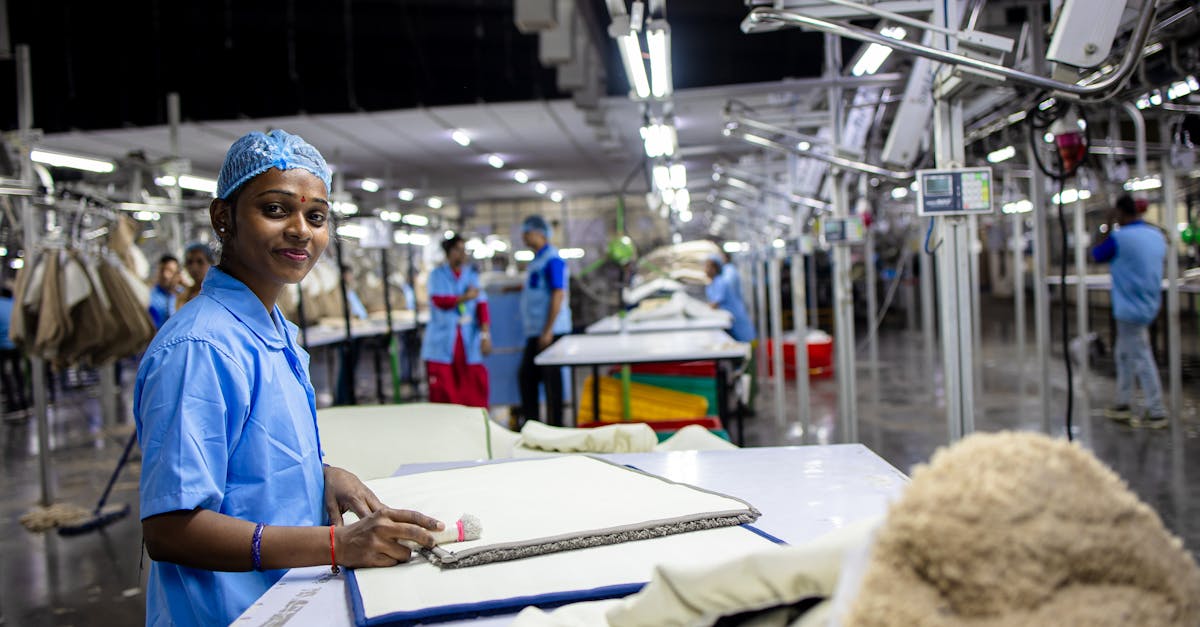
The productivity divide is exemplified in industries such as manufacturing and services, where tech-savvy firms thrive, while traditional setups struggle to keep pace. Without proficiency in leveraging technology, thorough retraining of the workforce, and embracing new methodologies, U.S. businesses may remain locked in a cycle of stagnation.
Reconceiving the Drive for Progress
The current economic landscape necessitates a rethink of productivity strategies. Employers will need to prioritize embracing innovation to spark resurgence. Increased efforts in workforce training, advanced technology implementation, and flexible work policies might just be the catalyst needed to improve output in an evolving market.
In sum, the path toward revitalizing labor productivity isn’t merely a numeric challenge; it’s a call to action for a comprehensive reevaluation of strategies in a complex economic environment. As the U.S. navigates these turbulent times, fostering an adaptable workforce equipped with the tools to excel becomes crucial.
Navigating these transformative waters may hold the key to reviving productivity and fostering sustainable economic growth, reminding us that resilience can forge new opportunities even in the face of adversity.