Declining Productivity Raises Red Flags
In an eye-opening revelation, U.S. labor productivity saw a striking decline of 2.4% in the first quarter of 2026, according to the Bureau of Labor Statistics. This startling figure not only runs counter to the hopes of a robust economic recovery but also raises crucial questions about the sustainability of our workforce amid escalating inflation and interest rates.
The Context of the Numbers
To fully grasp the impact of this downturn, it’s essential to look beyond the headline figure. In a global context, the U.S. has been lagging behind major economic competitors. For instance, labor productivity in the eurozone experienced a modest increase of 1.2% over the same period. Thus, while many industrialized nations are grappling with their own challenges, the U.S. appears to be navigating a particularly rocky road.
Last year, labor productivity was on a relatively stable path, showing a 1.5% year-over-year increase. Fast forward to 2026, and the narrative has drastically changed. The decline not only contrasts sharply with last year’s figures but raises alarms about potential stagflation risks, where slow growth coincides with rising prices. With inflation registered at 4.2%, Americans are feeling pressure in their wallets, suggesting that diminishing productivity could exacerbate these economic woes.
Current Economic Climate: A Perfect Storm?
Contrary to the optimistic forecasts once held by policymakers, the Federal Reserve’s interest rate, currently at 3.63%, represents an attempt to combat rising inflation but could further stress productivity by increasing borrowing costs for businesses. This tight monetary policy could deter investments in technology and workforce enhancements, counteracting any potential productivity recovery in the near term. In tandem with an unemployment rate of 4.3%, companies might find themselves in a precarious position; striving for efficiency while managing labor costs and rising prices.
Companies typically react to decreased productivity by cutting costs, usually through workforce reductions or reallocation of resources that may not guarantee long-term solutions. This reaction could further cripple productivity in a seemingly unending cycle. The chilling possibility of layoffs amidst challenging economic conditions looms steadily over the horizon for U.S. workers.
The Human Element in Productivity
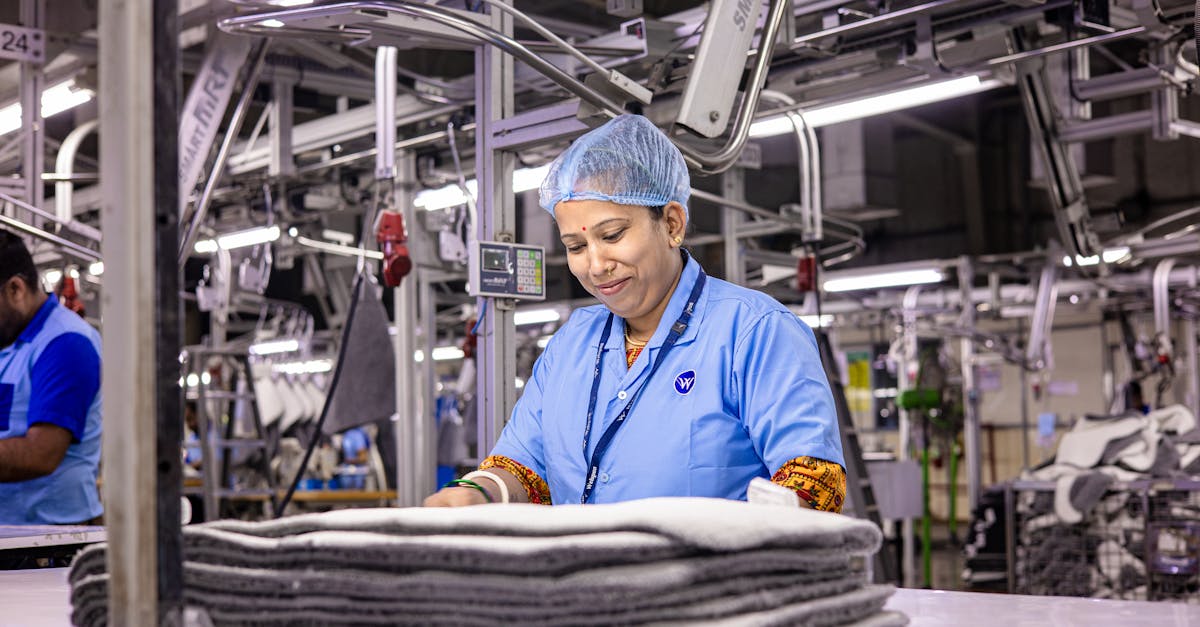
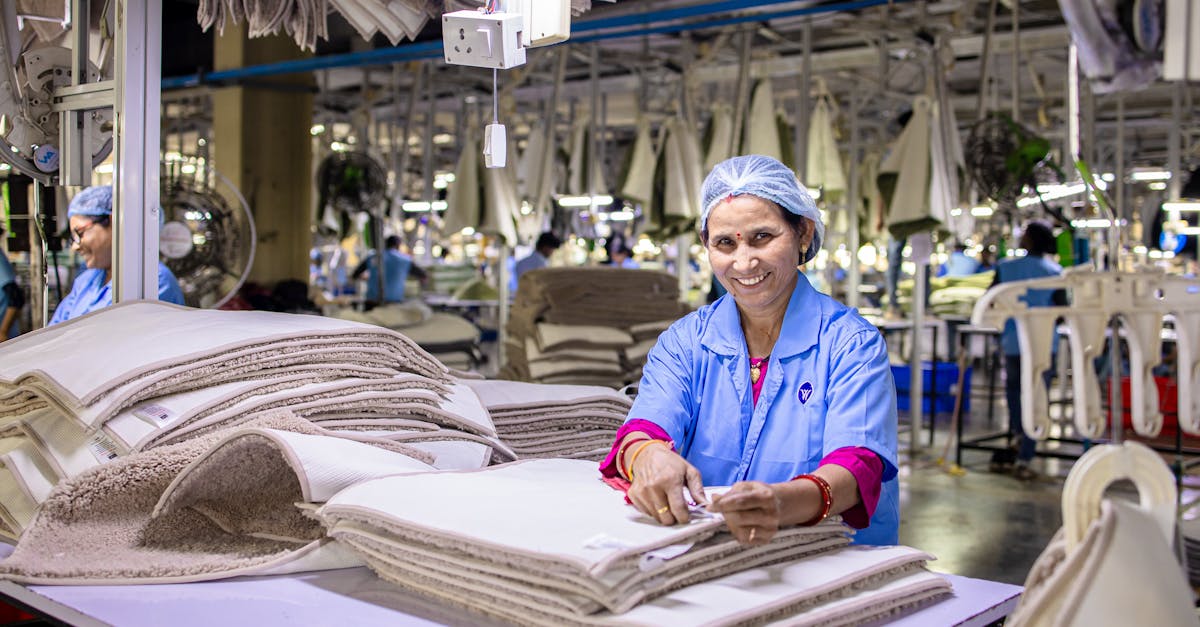
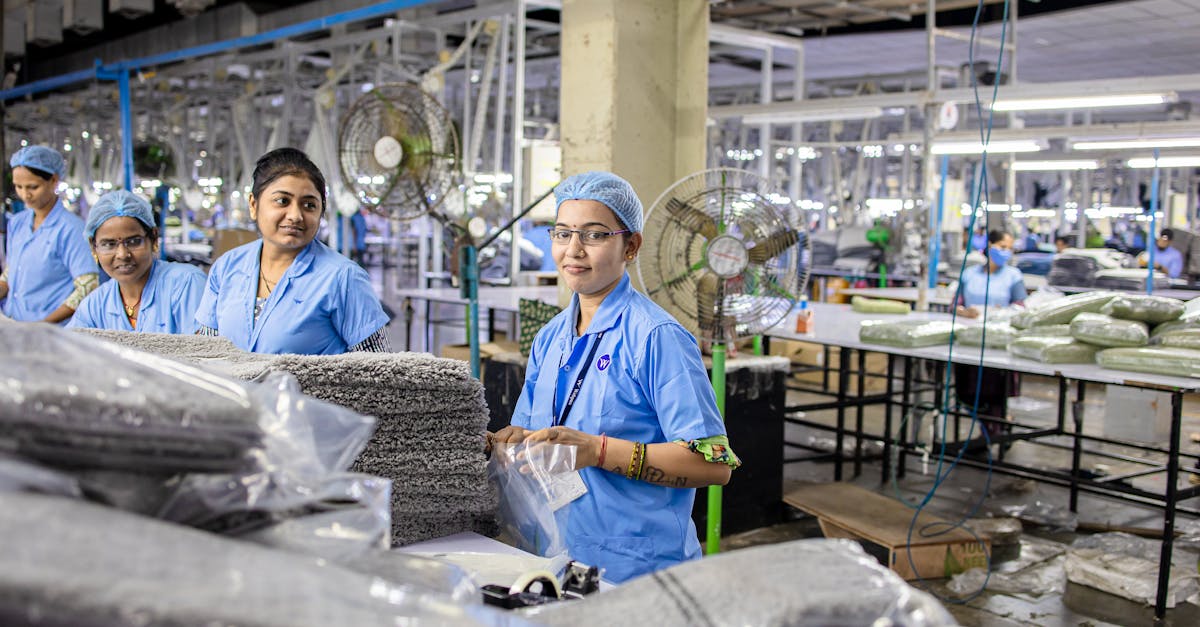
As the statistics reveal worrying trends, it’s crucial to not overlook the human side of productivity. Workers, often the backbone of any organization, need robust training and support, especially in a shifting economic landscape. The challenge now is to not only improve productivity metrics but also to ensure that workers are equipped and motivated to thrive in their roles. Rekindling a sense of purpose and engagement within the workforce can cultivate a spirit of innovation that transcends mere numbers.
Eyes on the Future
With the specter of persistent inflation and tightening monetary policy hanging over the economy, U.S. labor productivity will be under intense scrutiny in the coming months. The data may be alarming, but they also present an opportunity. As businesses adapt to these challenges, innovation and an emphasis on workforce wellbeing could pave the way toward a more resilient economic future. The road ahead may be fraught with challenges, but this juncture might just serve as a catalyst for profound changes in how American businesses operate and thrive.