A Concerning Downturn
Labor productivity in the United States dropped by 2.1% in the first quarter of 2026, sending alarm bells ringing through economic circles. This downturn, the sharpest since the spring of 2020, raises critical questions about the nation’s potential for sustainable growth amid rising costs and tightening monetary policy.
Context and Comparisons
To appreciate the gravity of this decline, consider last year’s figures where productivity grew by 1.8%, establishing a more favorable backdrop for economic dynamism. Meanwhile, international rivals like Germany and Japan reported productivity gains of 0.5% and 1.2% respectively, according to the OECD. This suggests that while the global economy continues to innovate, the U.S. is starting to lag behind, raising concerns about competitiveness on the world stage.
The Dual Threat of Inflation and Interest Rates
As the Bureau of Labor Statistics noted, inflation stands at 3.8% as of early April, exerting pressure on real wages and affecting consumer spending and business investment. Coupled with an interest rate of 3.63%, maintained by the Federal Reserve to curb inflation, the economic environment appears increasingly hostile for productivity. Investors and companies are now in a quandary: will higher borrowing costs stifle expansion just as demand is showing signs of stagnation?
The Role of the Labor Market
Current unemployment hovers at 4.3%, indicating that the labor market has not yet completely cooled off. However, this measured rate may mask underemployment and stagnant wage growth, limiting worker morale and productivity-enhancing initiatives. With many employees still navigating hybrid work arrangements, questions arise about effective resource allocation and the optimization of labor output.
Workforces left adrift in uncertain conditions can significantly hamper productivity gains. Firms must invest in employee training and infrastructure to facilitate better productivity—which brings us back to the inflationary environment that complicates capital allocation.
Sector-specific Shifts
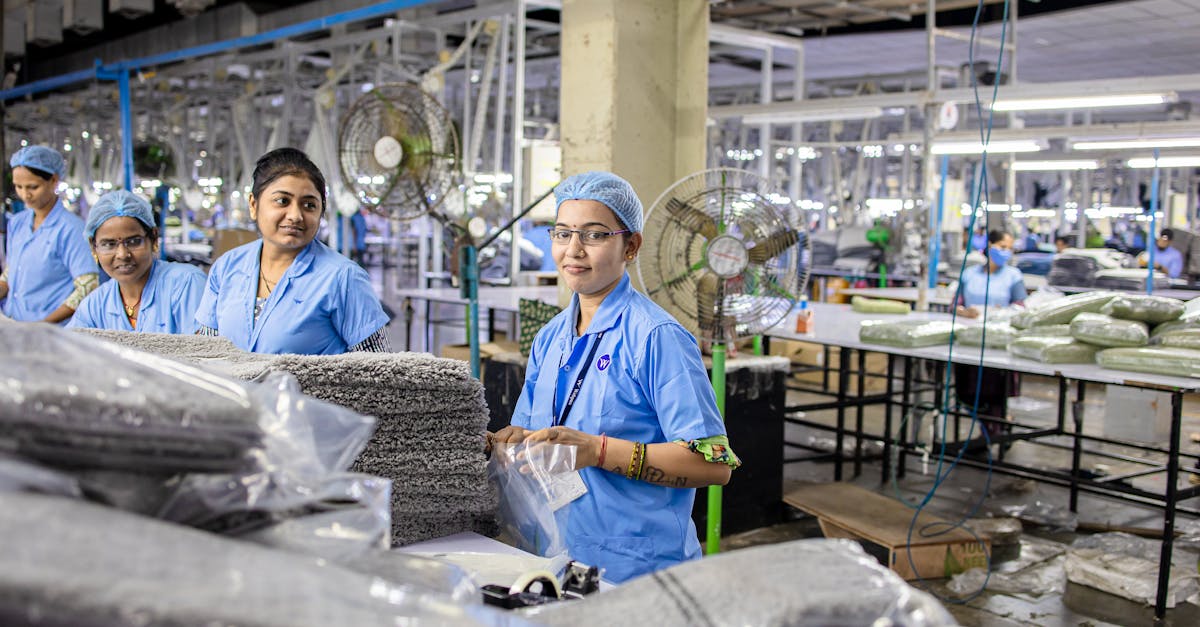
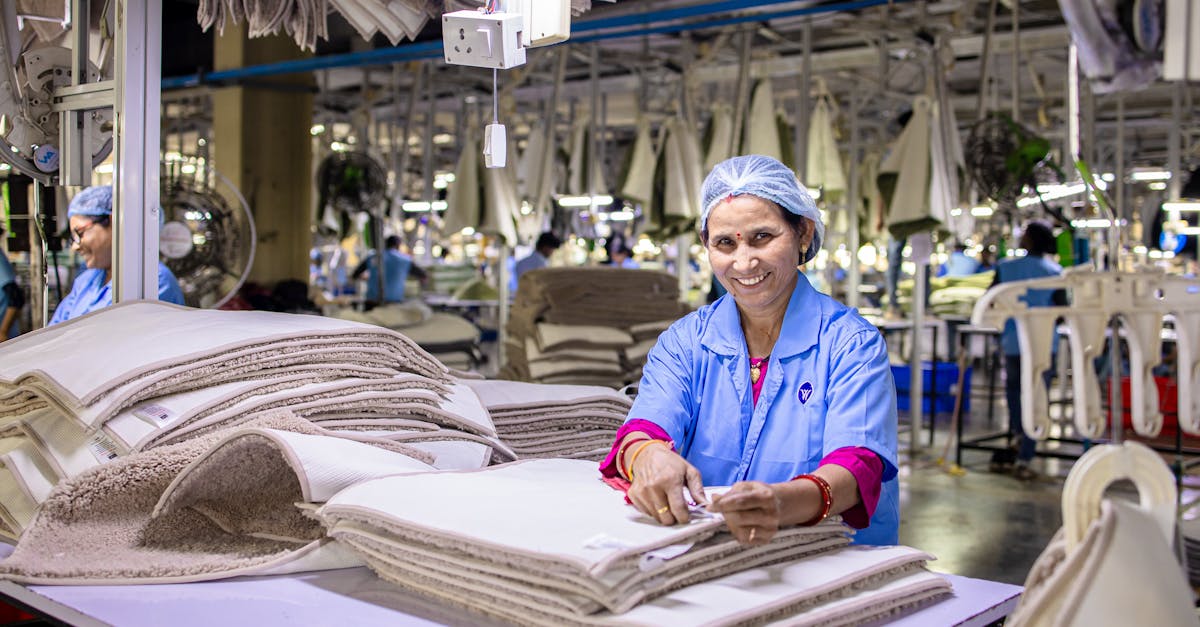
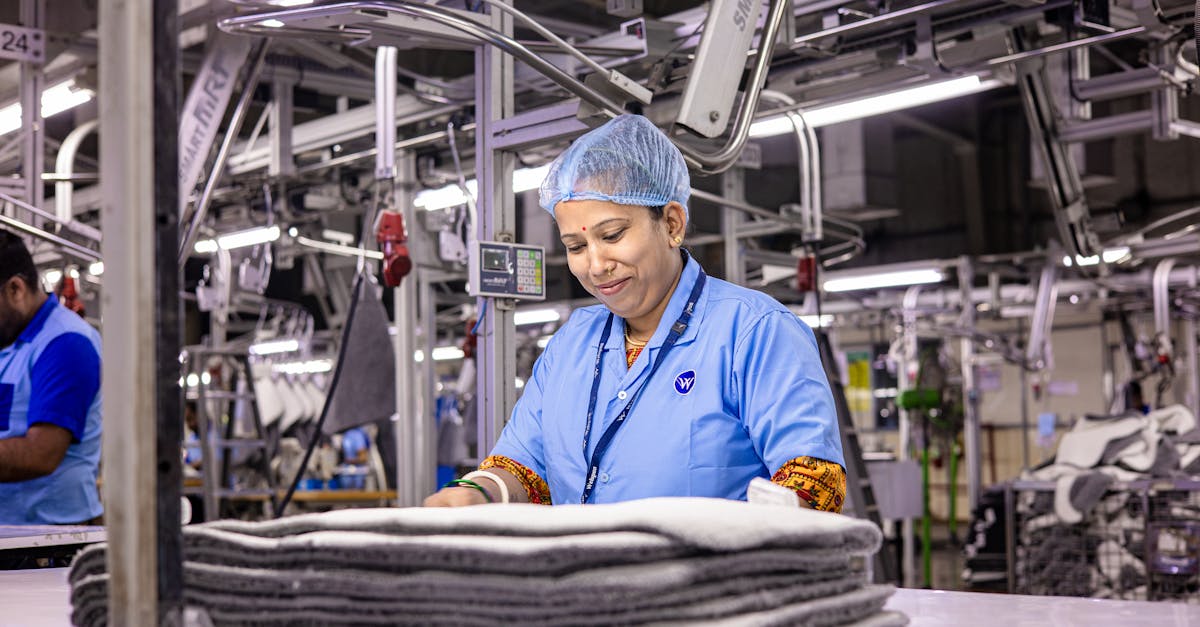
Particular sectors are feeling the pressure more acutely. The manufacturing sector, which is crucial to productivity growth, saw a 2.4% decrease, reflecting a retreat from pre-pandemic output levels. This case shows that disparities exist not just between the U.S. and its competitors, but within the nation itself. A similar fate has befallen many high-tech industries, which had relied heavily on uninterrupted supply chains that are now hindered by global political tensions and economic constraints.
Creativity in Recovery
As businesses and policymakers grapple with falling productivity, the path forward involves creative thinking and innovative adjustments. Enhanced partnerships between public and private sectors may be a shrewd strategy: investing in infrastructure improvements and enhancements to education can foster long-term productivity recovery. Moreover, technology adoption, particularly in automation and digital transformation, remains pivotal for lifting output levels without compromising quality.
With consumer trends shifting and labor markets evolving, adaptability will be the watchword as we navigate the cautious optimism needed for economic growth. Responding to these pressures with resilience can turn current adversities into opportunities, potentially reshaping U.S. productivity positively in the years to come.