An Unexpected Situation
Inflation stands at 4.2%, a figure that might seem manageable compared to the staggering rates observed over the past two years. However, this surface-level stability masks a deeper economic contradiction: while some sectors flourish, others languish, creating a rift in consumer experiences. For the average household, this suggests a temporary reprieve, yet beneath the veneer, anxieties about price stability linger ominously.
Tension Between Expectations and Reality
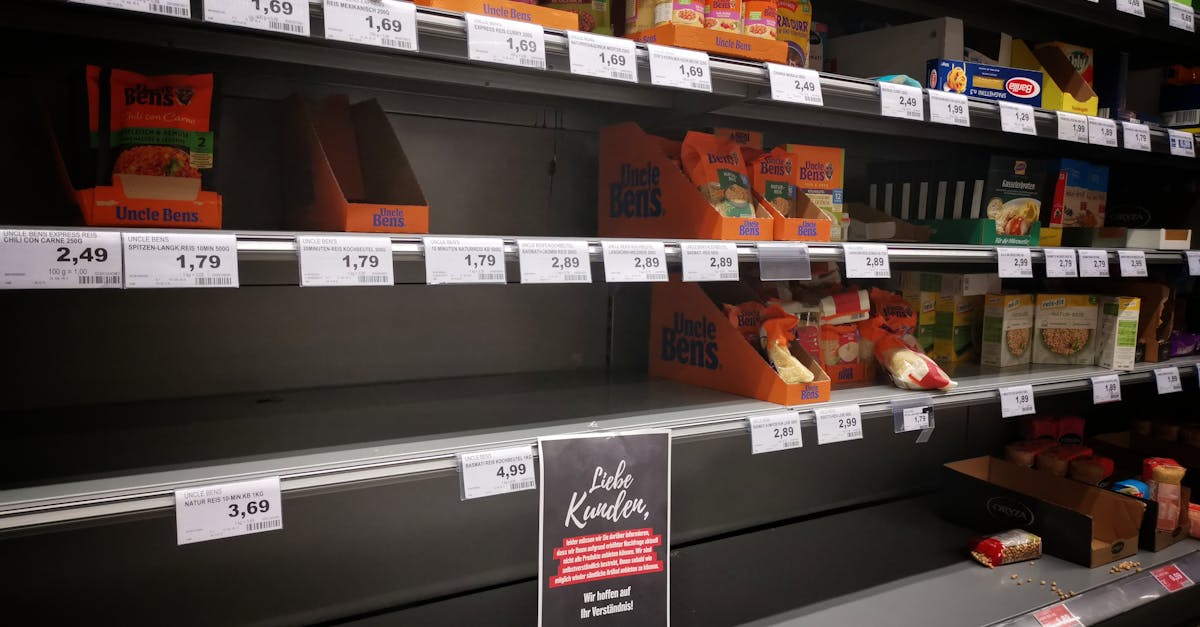
Consumer sentiment is strained under the weight of inflationary pressures, with significant discrepancies existing across various sectors. The housing market, for instance, has experienced a relative cool-down with price increases stabilizing, yet the costs of essential commodities—like groceries, energy, and transportation—remain stubbornly high. According to the Bureau of Labor Statistics, year-over-year food prices climbed nearly 5% as of May, a stark contrast to the relative price tranquility in housing.
Internationally, the U.S. finds itself amidst a mixed landscape. While European counterparts grapple with inflation that eclipses U.S. levels, the fact that American consumers are feeling the pinch in their wallets lingers. Countries like Japan have achieved a semblance of price control, displaying that monetary policy effectiveness varies widely. Should the Federal Reserve recalibrate expectations to mirror these international successes more closely, or do domestic realities dictate a unique path?
Unseen Trends Lurking Beneath the Surface
While headlines often center on the headline inflation rate, data illustrates a more nuanced picture. The services sector has been increasingly overshadowed by the performance of goods, leading to questions about the sustainability of growth patterns. A notable trend has emerged: the disparity in sectoral growth rates is widening, revealing that not all industries are created equal in this landscape. For instance, the leisure and hospitality sectors have seen robust recovery numbers as consumer demand spikes post-pandemic, but this vibrancy does not extend into retail, where foot traffic stagnates, and margins tighten.
Moreover, wage growth has not kept pace with inflation across all income levels, causing real purchasing power to decline. For lower-income families, the struggle is palpable. The inflation rate effectively translates into a hidden tax, disproportionately impacting those with fewer resources. This dynamic has material consequences: as households divert a larger share of their budgets toward necessities, discretionary spending is forecasted to stagnate, curtailing growth entirely in some regions.
The Fork in the Economic Road
As inflationary pressures evolve, they illuminate a critical question: which sectors or demographics might prove resilient, and at what cost? With pockets of economic strength standing out against a backdrop of broader pain, the U.S. faces a decision-making crossroads. Policymakers must decide whether to respond with aggressive fiscal measures aimed at mitigating these imbalances or to allow the market to correct itself organically.
As we examine the tangled web of inflation, the contrast between successful and struggling sectors tells a complicated story. This complexity raises a pivotal inquiry navigating the future of fiscal policy in an unpredictable landscape: will the administration opt for intervention that might invoke further inflationary feedback, or will it allow for a self-correcting mechanism that risks stalling growth entirely? A critical juncture looms ahead, and the choice will shape the economic landscape for years to come.