A Surprising Dynamic
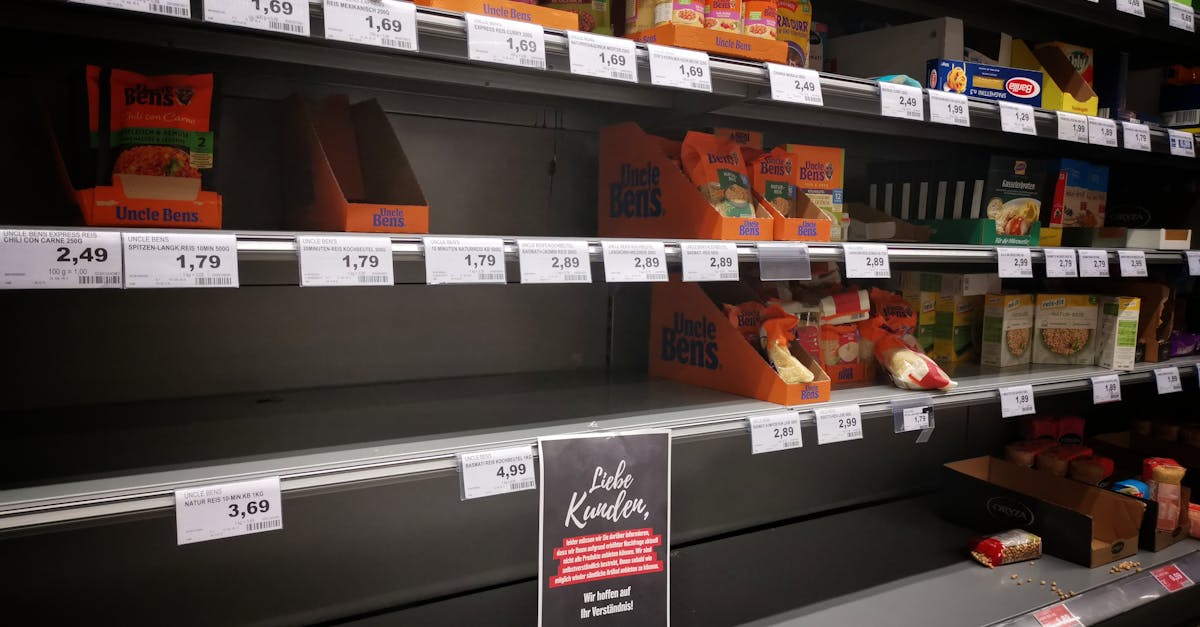
At first glance, the U.S. economy appears to reflect a classic tale of inflationary pressures—consumer prices are rising with year-on-year inflation measured at 4.2% by the Bureau of Labor Statistics. However, a deeper dive into the data unveils contradictions that challenge standard narratives. While many consumers feel the sting of rising prices in essentials like food and gasoline, sectors such as technology and luxury goods are enjoying unprecedented growth. This juxtaposition begs the questions: who are the winners and losers in this inflationary climate, and how does this discord shape economic expectations?
Sectoral Splendor vs. Consumer Squeeze
When dissecting the current inflation landscape, it becomes imperative to contrast various sectors. For instance, the tech sector has largely defied inflationary trends, with companies like Apple and Nvidia enjoying record profit margins despite rising costs. Meanwhile, essential goods providers struggle to keep up with the rapid price increases; the price of groceries soared by nearly 7.0% over the same period. These diverging trajectories suggest a world where technology companies can push prices higher without losing customers, while those selling staples are at the mercy of both inflation and consumer sentiment.
Moreover, the geographic disparities further complicate narratives. Urban centers often witness sharper price increases compared to rural areas; in cities, a hamburger may cost 25% more than in less populated regions. The economic landscape is anything but uniform, and this segmentation makes it challenging for policymakers to satisfy all constituents effectively.
The Hidden Narratives of Inflation
One facet not typically illuminated in mainstream economic discussions is the emotional toll of inflation on American consumers. While hard numbers suggest robust job growth and consumer spending, the psychological impact is troubling. The Federal Reserve’s consumer sentiment index remains troublingly low, indicating public pessimism despite the visible economic growth indicators. Concerns about future inflation lead to decreased discretionary spending, as consumers tighten belts in anticipation of further price hikes. This trend doesn’t dictate headlines but paints a grim picture of everyday life, where households must adjust not only budgets but also expectations.
Additionally, while the Fed has wielded tools like interest rate hikes to stave off inflation, these measures come with their own risks. Higher borrowing costs can stifle investment in sectors that are actually growing, steering funds away from innovation and halting economic momentum. Herein lies a critical tension: efforts to guard against inflation may inadvertently suppress the very sectors that could drive sustainable growth in the long run.
The Diverging Economic Expectations: Where to From Here?
As the inflation rate resides at 4.2%, the persistence of inflation raises a pivotal question about future economic policy: how do we reconcile the dichotomy between sectors experiencing explosive growth and others facing stagnation? Stock markets may relish technological advances and high profit margins, but Main Street appears increasingly fraught with financial anxiety.
This economic strife leads to an unsettling fork in the road. Should the Federal Reserve continue to tighten monetary policy, potentially stifling growth in favored sectors, or should it adopt a more lenient approach, risking further inflation? Can effective policy emerge that not only stabilizes prices but also accommodates the diverse economic realities faced by Americans?
As wage gains in certain sectors begin to lag behind inflation, the risk of creating a permanent class of consumers who are steadily left behind looms ominously on the horizon. The choices made in response to current inflationary trends will dictate whether economic recovery is inclusive or serves to entrench divides further. The decision-makers hold in their hands the delicate balance of growth and equity, and the implications of their next moves extend far beyond mere numbers.