A Coffee Shop’s Corner of the World
On a crisp morning in Seattle, the aroma of freshly brewed coffee wafts through the narrow streets, signaling the start of another busy day at Margo’s Café. Margo, the owner and a mother of two, takes pride not only in her specialty blends but also in sourcing beans from South America. Each bag, meticulously flown in from Colombia, represents a complex yet crucial piece of a larger puzzle: the global trade balance affecting American businesses and families.
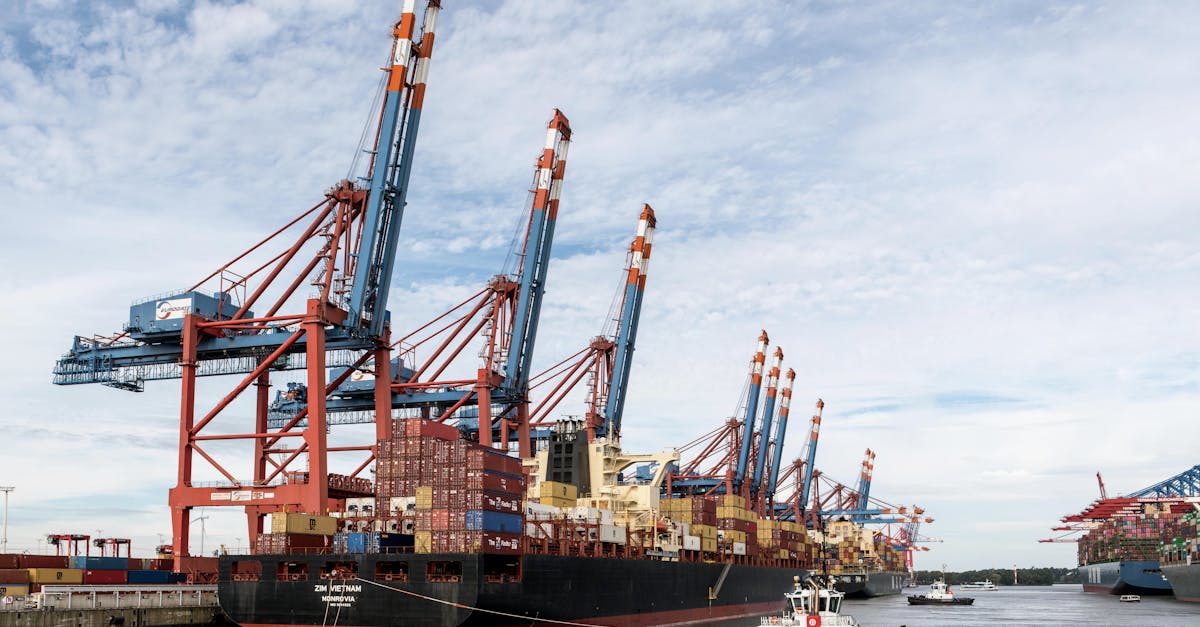
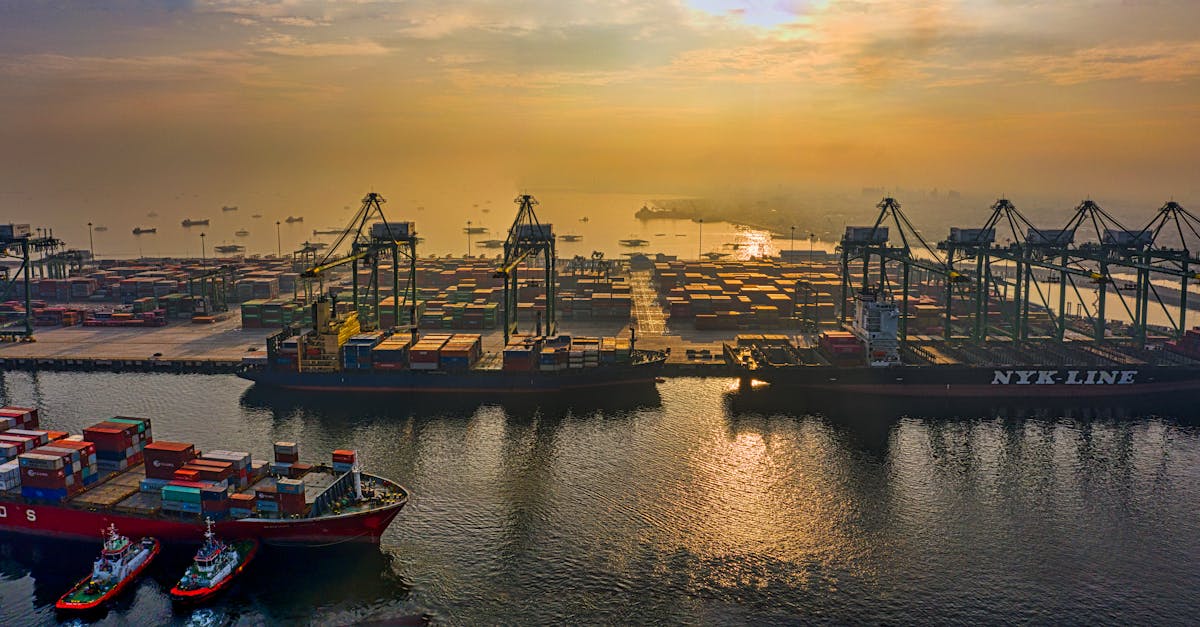
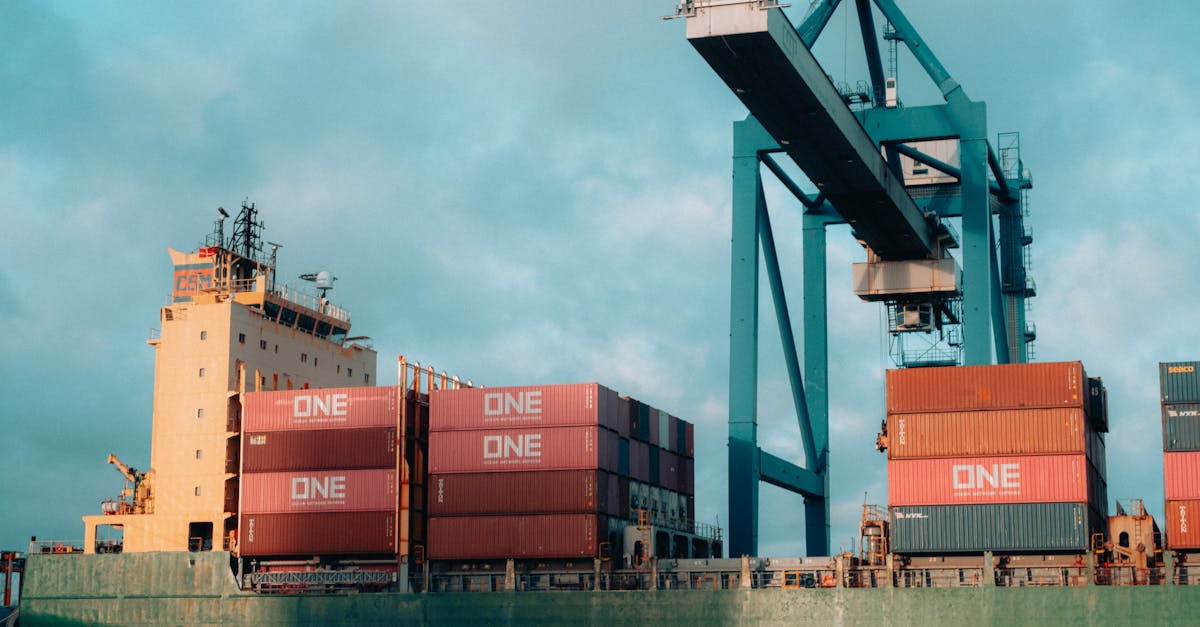
Margo understands that her café’s success hinges on the ebb and flow of international trade. As she grinds the roasted beans, she thinks about how recent shifts in exports and imports can directly impact her bottom line—this week, she’s noticed that her cost for coffee has increased slightly. It’s akin to shopping at her local grocery store, where she’s seen prices shift due to global events that ripple through supply chains. Recent data indicates that in July alone, the deficit in the U.S. trade balance widened to $69 billion, largely fueled by increasing imports that outpaced exports. It’s a figure that, while abstract, translates into real costs for her business, affecting her decisions on pricing her lattes.
The Dance of Imports and Exports
In the vast ocean of trade statistics, exports remain a beacon of potential growth for domestic firms. Margo’s experience mirrors the broader narrative of U.S. exports, which saw a slight uptick, hitting approximately $257 billion in July, according to the Bureau of Economic Analysis. This represents an increase of nearly 3% from the previous month, hinting at the recoveries businesses are making in the wake of pandemic-related disruptions. Just last year, the export of services, such as technical consulting and travel, constituted 5.8% of GDP, showing how intertwined these numbers are with everyday life.
Imagine the joy of a simple cup of coffee—a ritual for many workers in the city that energizes them for a day’s toil. For every coffee enjoyed at Margo’s, there’s a complex journey traced back to Colombia’s highlands. Margo feels a tug of responsibility knowing that her choice to import directly affects farmers halfway across the globe, creating livelihoods and fostering families, much like her own. As she competes with local brick-and-mortar shops and large chain cafes, she often wonders how policies affecting exports may alter her pricing, thereby influencing customers’ purchasing power.
The Family Impact
Trade balances matter deeply to her patrons as well. As the new school year approaches, Margo notices that her regulars—working parents—are tightening their budgets. Recent figures show that U.S. consumers have faced rising inflation, with the Consumer Price Index increasing by 3.2% compared to the same period last year. This rise affects disposable income and subsequently impacts her sales.
As families adjust their spending, some may decide that their mornings need to save a few dollars, choosing home-brewed coffee over a cup from Margo. The interplay between imports and exports is felt at ground level; while Margo may be importing more expensive coffee, she must carefully consider her pricing strategies to remain competitive and accessible, lest her community sacrifice their caffeine boost altogether.
Bringing It All Back Home
The tightrope of exports and imports weaves through the fabric of the American economy, striking a chord in Margo’s life and business. Just as her coffee beans travel thousands of miles, Margo’s story reverberates throughout local economies, affecting jobs, prices, and the purchasing decisions of families like hers.
For Margo and countless small business owners, understanding the trade balance doesn’t just involve statistics; it encompasses the hopes, aspirations, and daily decisions of their lives. Every cup served is a story brewed in the heart of global economics, where the interplay of trade shapes the reality of tomorrow’s mornings.