The Bread and Butter of a Family Business
At the heart of Philadelphia, Rosie and Mike reside with their two children, running a small but thriving bakery known as “Sweet Delights.” This spring, the family faced a bittersweet challenge: an unexpected rise in the price of imported flour and sugar, essential ingredients for their signature pastries. Factors behind this price hike included shifts in global demand and a fluctuating trade balance that had both intended and unintended consequences on their bottom line.
As the local economy pivoted post-pandemic, with consumer spending soaring, Sweet Delights found its customer base expanding. Sales had soared, significantly influenced by a robust increase in disposable income, which rose by 7.3% in the last quarter, as reported by the Bureau of Economic Analysis. This uptick created a sense of hope; however, as imports became more expensive due to a widening trade deficit, Rosie and Mike struggled to keep their prices manageable without compromising quality.
A Double-Edged Sword: The Trade Balance
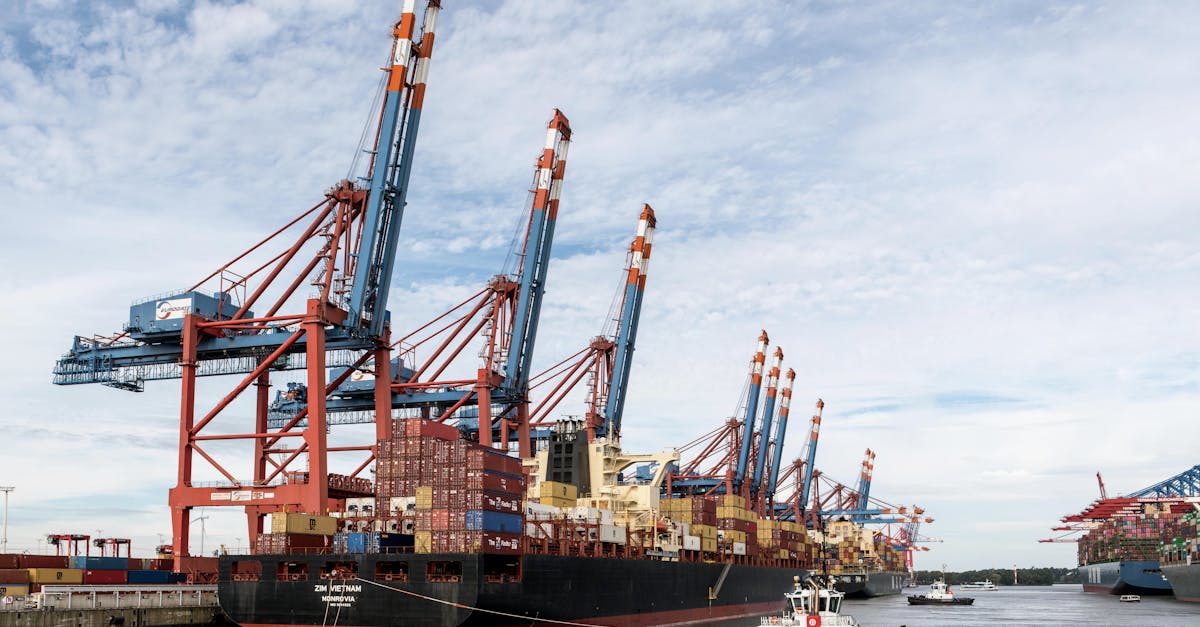
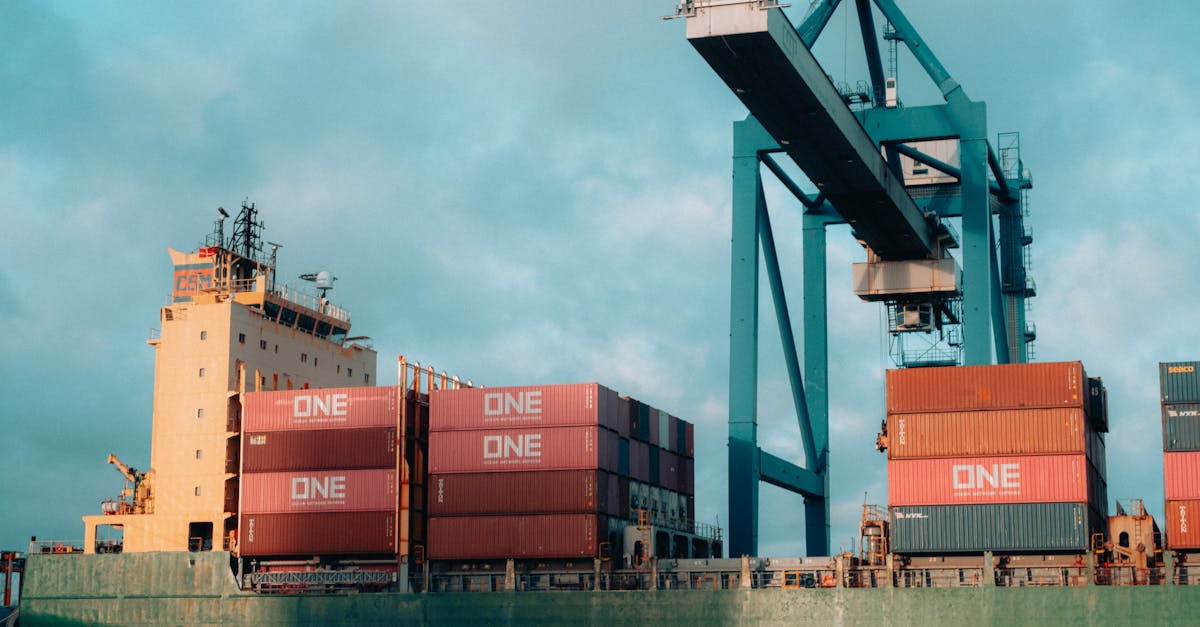
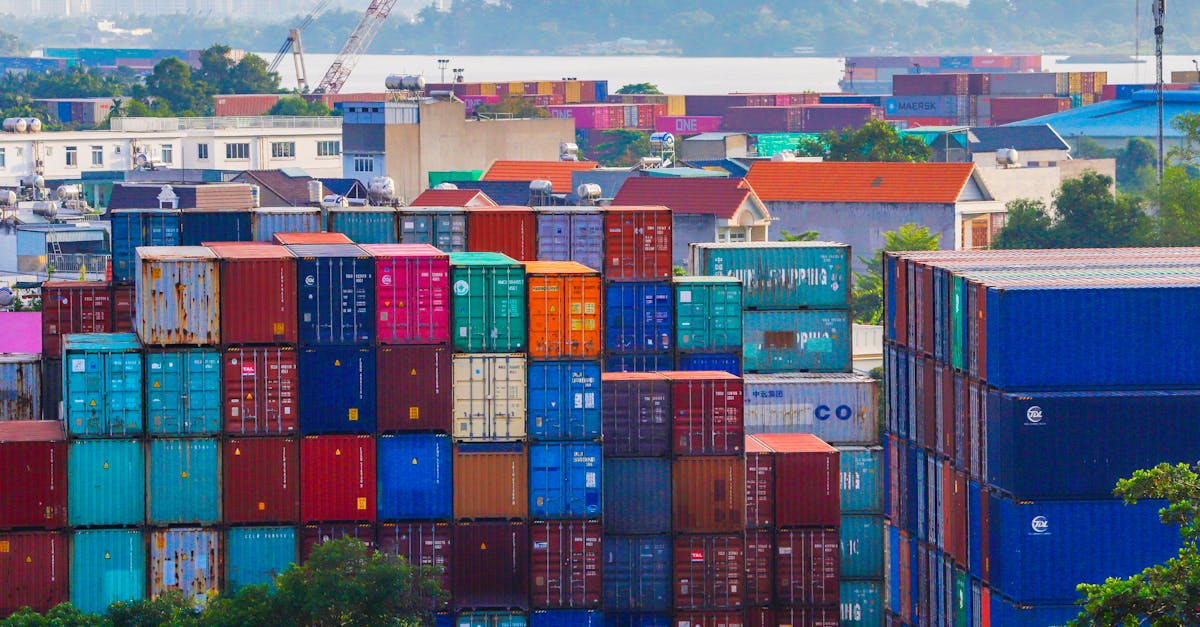
The latest figures show that the U.S. trade deficit swelled to $73.3 billion, a leap of 9.3% from the previous month, largely driven by escalating imports to satisfy domestic demand. This may seem abstract, but for entrepreneurs like Rosie and Mike, these statistics translate directly into higher costs for raw materials. Imagine relying on imported ingredients like cocoa, which, according to the Bureau of Labor Statistics, experienced a 12% price fluctuation due to global supply chain disruptions. The bakery now faced the dilemma of maintaining quality while complying with rising costs.
As expenditures rose, they decided to engage with local suppliers for some of their ingredients. By sourcing flour from a nearby mill, they not only mitigated the cost but also strengthened community ties. The decision illustrated a growing trend: while the trade balance might suggest a reliance on imports, many small businesses are rediscovering the value of local partnerships. Such initiatives resonate well in this climate where consumers increasingly prefer products that support the local economy.
Weaving Exports into Family Ties
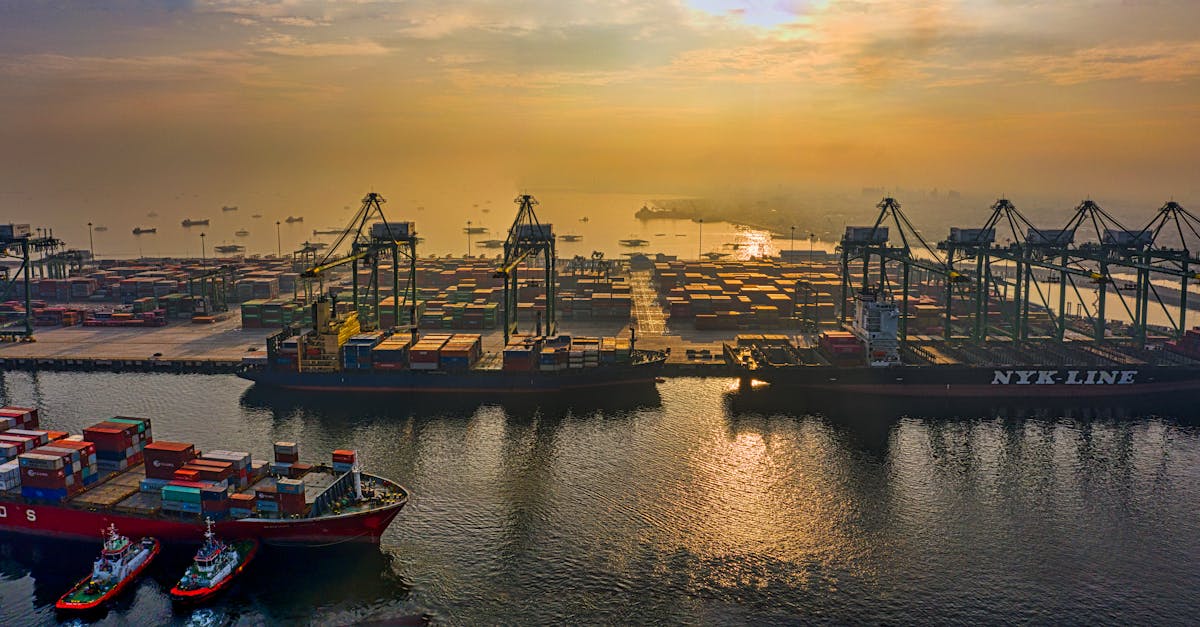
Amid the challenges posed by rising import prices, Rosie and Mike found a silver lining in their growing popularity. They decided to diversify their offerings by exporting their baked goods to international markets. This shift aligns with the broader narrative: U.S. exports have also surged to nearly $253 billion this past quarter, reflecting an increase of 4.5%. For many entrepreneurs, like Rosie and Mike, tapping into international markets is not just a gamble but rather a pragmatic strategy.
By embracing online platforms and leveraging social media, they began shipping their unique cookies overseas, catering to expatriates longing for a taste of home while also introducing local tastes to new consumers. This venture opened their bakery to a world of possibilities, fueling growth and providing new income streams to counterbalance imported ingredient volatility.
Full Circle: Back to Rosie’s Kitchen
As the summer sun set on Sweet Delights, the family gathered around the dinner table, reflecting on their journey through an unpredictable landscape shaped by global trade. Each transaction, whether local or international, had rippled through their finances, transforming their business narrative.
Rosie looked at her husband, captivated by how they had adapted to the challenges posed by the expanding trade deficit while embracing the opportunities created by exports. Adapting to this landscape was more than just pragmatic; it was essential for the survival and growth of their bakery. Their story is a testament to how the ebb and flow of trade balances shape not just numbers on a balance sheet, but the lives of families striving to create a better future.
In holding on to their roots while expanding their horizons, Sweet Delights illustrates the interconnectedness of the global economy and the intimate roles that trade balances and exports play in daily life.