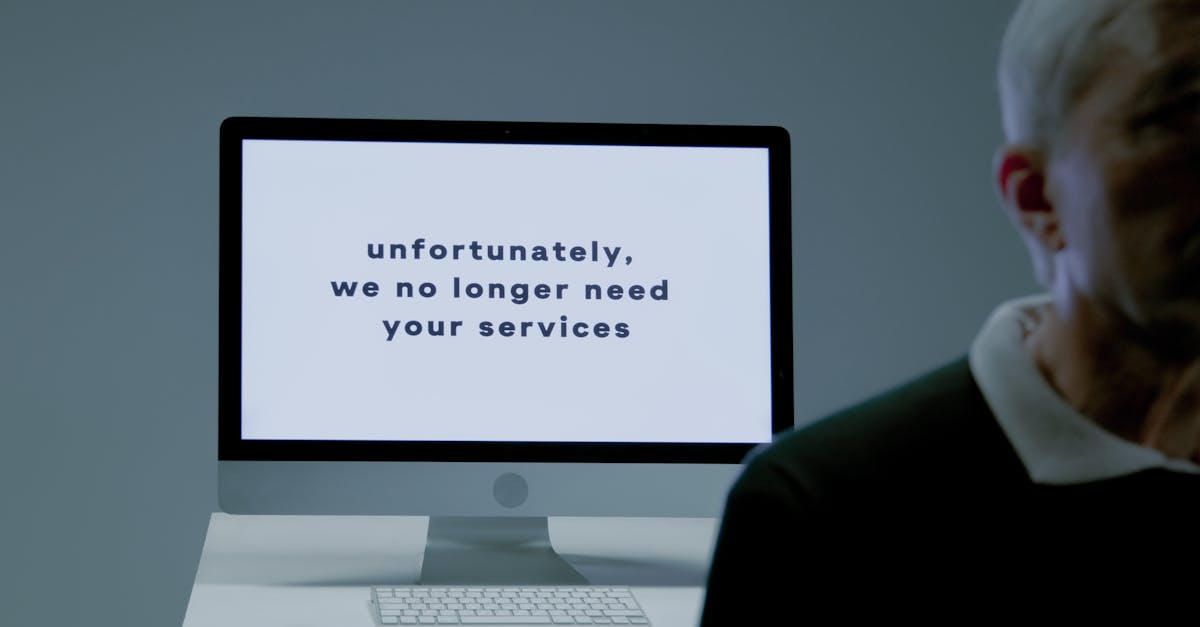
A Stubborn 4.3% Unemployment Rate Holds Steady
As of early March 2026, the United States is staring down a 4.3% unemployment rate, a steady figure that signals both stability and underlying concerns in the labor market. This percentage, while seemingly manageable, marks a subtle uptick compared to the prior year where the rate hovered at 3.9%. The question looms: Is this a blip or a shift in the economic landscape?
Contextualizing a Domestic Benchmark
When juxtaposed against global counterparts, the U.S. unemployment rate reflects a mixture of confidence and caution. For instance, European Union nations recently reported an average unemployment rate of 6.3%, with countries like Spain still grappling with rates over 12%. Japan, on the other hand, stands at 2.5%, highlighting a pressing need for the U.S. to dissect the factors contributing to its relatively higher figure.
Last year’s 3.9% annual average was buoyed by robust job creation, with non-farm payrolls increasing at a rate of 300,000 jobs per month in early 2025. Now, that pace has decelerated significantly to approximately 200,000 in early 2026. This deceleration raises questions about whether the country is experiencing a labor market cooling or a normalizing phase after a post-pandemic surge.
Labor Market Dynamics
The sectors contributing to the current rate offer critical insights. Leisure and hospitality, a traditional powerhouse for employment, has expanded modestly but still lags behind pre-pandemic levels. As of March, these sectors accounted for approximately 10.5% of total jobs, short of their 2019 high of over 11%. Moreover, even with the unemployment rate stagnating, the job vacancy rate persists at a high of 5.4%, indicating a mismatch between job availability and skills within the workforce.
On a national landscape, certain regions shine while others flicker. The southeastern states report unemployment rates closer to 3.8%, while states like Alaska linger around 6.2%. These disparities underscore not just an economic divide, but also divergent recovery trajectories.
Inflation’s Interaction with Employment
Compounding these challenges is the looming shadow of inflation. The Consumer Price Index (CPI) has begun to exhibit stress again, ticking upward to a year-on-year increase of 3.5%. Such inflationary pressures can lead to wage stagnation, impacting the purchasing power of workers even in a low unemployment environment. Notably, the real average hourly earnings have struggled to keep pace, with only a nominal growth of 1.2% in the last twelve months.
Consequently, the Fed may face a balancing act. Interest rate adjustments are likely on the horizon as policymakers ponder how rising costs could ripple back into the labor market.
The Uncertain Path Forward
Optimism remains on the fringes as the Fed tightens its monetary policy to combat inflation while seeking to avoid dampening job growth further. The stakes are high, with many economists predicting potential pitfalls as businesses adjust to both a tightening labor market and the consequences of higher interest rates.
With tech layoffs, supply chain disruptions, and evolving workplace dynamics shaping the future of employment, the U.S. must navigate these turbulent waters carefully. As we inch further into 2026, vigilance will be vital in determining whether this employment plateau is merely a temporary stasis or the herald of a more protracted struggle in the labor market.