A New Wave of R&D Spending
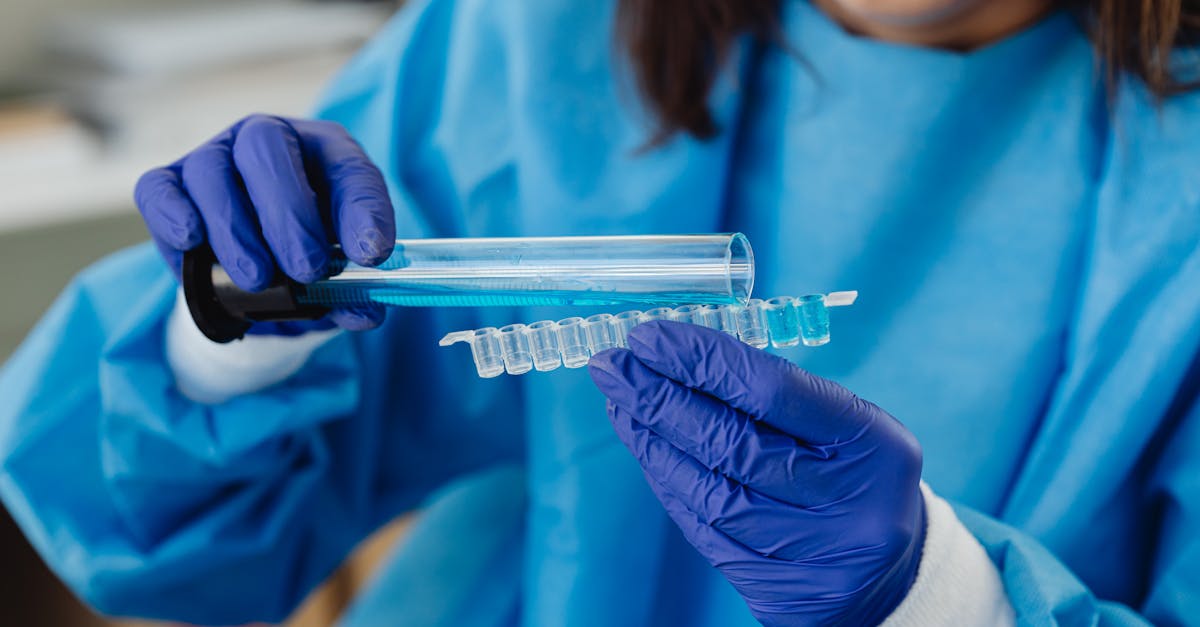
This year, the United States has witnessed a staggering 14.1% surge in research and development (R&D) spending, reaching a hefty $683 billion — a record high that underscores the nation’s commitment to innovation even amid economic challenges. This sharp increase sets a striking contrast to the previous year’s growth of just 6%.
Contextualizing the Numbers
In a global landscape where R&D budgets are heavily scrutinized, the U.S. stands out as a leader. Countries such as Germany and Japan have maintained steady increases in R&D spending; however, they registered a much slower growth rate of only 5% and 7%, respectively, this year. While the U.S. invested approximately 3.4% of its GDP into R&D, Germany and Japan trailed with 3.1% and 3.0%. This disparity showcases the resilient American spirit to innovate despite rising inflation, currently at 3.3%, and an eased unemployment rate of 4.3%.
Fields of Opportunity: Tech and Healthcare Lead the Charge
Within this R&D boom, technology and healthcare sectors are driving the charge. The tech sector alone accounts for over 40% of total R&D expenditures, significantly influenced by fervent advancements in artificial intelligence and quantum computing. Federal allocations toward AI research reportedly increased by 30%, emphasizing the nation’s intent to lead in global technological standards. Meanwhile, the healthcare sector took a substantial bite of the investment pie as well, fueled by COVID-19 recovery efforts and the push for innovative therapies.
Interest Rates: A Double-Edged Sword
Currently, interest rates are set at 3.64%, presenting both obstacles and opportunities for innovators. On one hand, higher rates can dampen venture capital flow; on the other, they signal a robust economy that incentivizes firms to advance R&D spending. Startups, often the backbone of American innovation, are finding ways to navigate this terrain, leveraging government grants and federal funds targeted at high-impact projects. Federal support through the CHIPS Act and the Inflation Reduction Act has also provided crucial lifelines.
A Broader Ecosystem: Academia and Public-Private Collaborations
A pivotal shift is occurring as academia increasingly partners with industry leaders to bolster research initiatives. This year alone, universities have collaborated on over 200 projects aimed at addressing pressing challenges, from climate change to health disparities. The synergy between public institutions and private firms has led to innovations that not only promise economic growth but also tackle societal issues.
A Tipping Point in the Innovation Landscape
The escalated investment in R&D isn’t just a statistic; it marks a cultural shift towards prioritizing long-term innovation over short-term gains. As companies and nations grapple with ongoing global competition, this emphasis will be crucial for maintaining a competitive edge. With the Federal Reserve indicating that rates may be held steady amid economic fluctuations, the environment is ripe for sustained innovation and expansion.
Gazing into the Future: A Culture of Continued Innovation
As America leans further into this new age of technological advancement, the fusion of increased funding, innovative startups, and strong public-private collaborations sets the stage for groundbreaking developments. This could very well be the dawn of a transformative era, where ongoing commitment to R&D reshapes industries, uplifts communities, and pivots the nation towards a sustainable and prosperous future.