When the Dollar Dances: A Family’s Encounter with Exchange Rates
One Saturday morning, the Garcia family gathered around their kitchen table, sipping coffee and flipping through travel brochures. Their sights were set on a summer vacation abroad in Spain—sun-kissed beaches and vibrant culture beckoned them. However, their excitement quickly turned to confusion as they noticed the fluctuating value of the dollar against the euro.
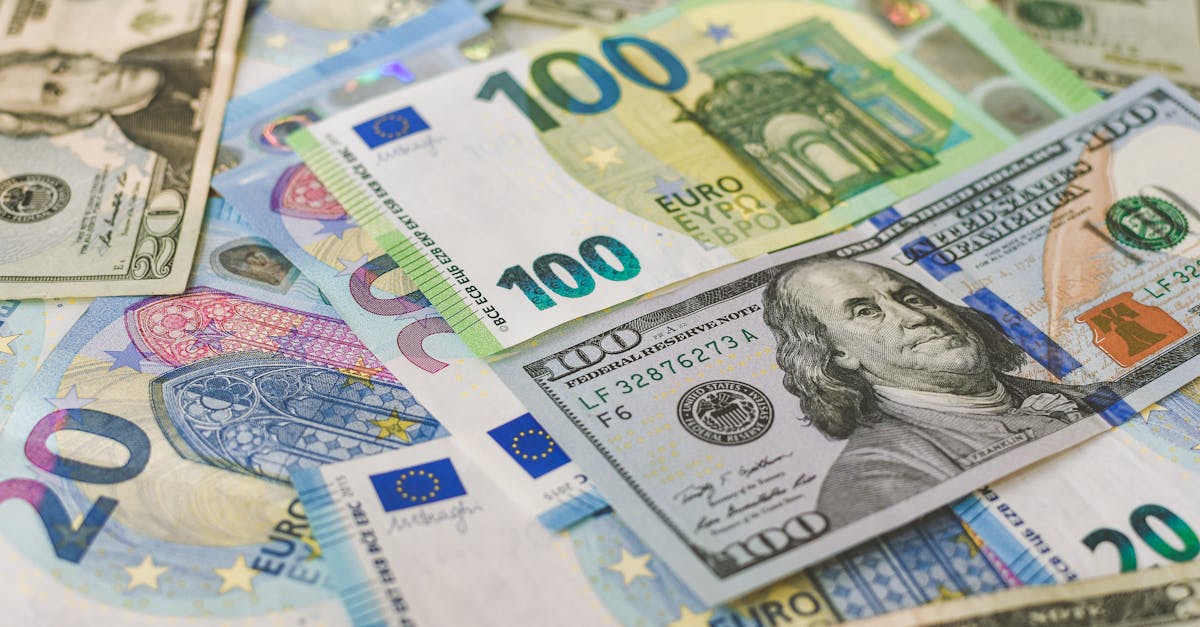
At breakfast, Fernando, the father, pulled up his phone to check the current exchange rate: 1 dollar was worth approximately 0.92 euros. For the Garcias, who have a budget of $5,000 for their trip, that amount translated to around 4,600 euros. Just a few months ago, the exchange rate had hovered around 1 dollar to 0.85 euros, making their travel plans more affordable.
The Ripple Effect of Inflation
As the family’s travel plans began to solidify, they were simultaneously monitoring the economic landscape back home. Inflation had crept up to 3.3%, which, while lower than peaks seen earlier, still posed concerns for everyday expenses. The price of essentials—groceries, fuel—had felt heftier. Back in January, the average cost of produce had surged; what they typically spent on fruits and vegetables was now several dollars more.
This increasing cost burden affected the Garcias’ savings. With every 1% increase in inflation, they were losing purchasing power—essentially, a quieter, less noticeable tax on their savings. Thus, the exchange of dollars for euros would make every meal in Spain feel slightly more expensive. The gentle pull of the euro’s value affected not just their travel choices but also their life back in the U.S.
Employment Woes: Aligned with the Global Stage
In discussions of their potential excursion, they considered how economic conditions in the U.S. frequently intertwined with global markets. Fernando, who works as a warehouse manager, knew that while unemployment stood at 4.3%, his comfort in job security was not guaranteed. His paycheck, while stable, was increasingly strained by higher costs at home, and any adverse shift in job market dynamics may render his own dollar less valuable abroad.
Moreover, as businesses grappled with inflation and tightening labor markets, exchange rate shifts could impact global trade and his company’s sales abroad. If the dollar were to strengthen further against the euro, their exports could become pricier for European customers, potentially leading to layoffs or hiring freezes.
Interest Rates: A Double-Edged Sword
As their vacation approach loomed, discussions around interest rates emerged during their lunch. The current average interest rate was listed at around 3.64%, and it had implications not just for home mortgages but also for the family’s vacation financing. With a potential auto loan for a family car approaching—a critical asset with three children to ferry—higher interest rates meant that any borrowed money would cost more. Each percentage point translates to more cash that could be spent at the beach rather than on interest payments.
Moreover, the currency’s strength could mean that many travelers from Europe could afford less once abroad compared to previous years. This double-edged sword took the form of impacts on safety net social services funded by taxpayers. The Garcias’ family, like many others, existed in a net woven with myriad strands of economic factors punctuated by exchange rates.
A Dream Intertwined with Reality
As they wrapped up their planning, the Garcias realized that their dream vacation was more than just visiting Spain; it was intertwined with larger economic dynamics. Understanding how inflation, interest rates, and exchange rates rippled through their lives was essential for any modern family navigating today’s economic maze.
As Fernando pushed back the last of the brochures, he turned to his family and said they would make it work—witty exchanges of dollars and euros might not affect their happiness when stepping onto the sandy shores. While their summer vacation plans faced the dance of the dollar against the euro, they’d soon learn that the best experiences could create value far beyond what currency can measure.