A Family’s Dream Vacation
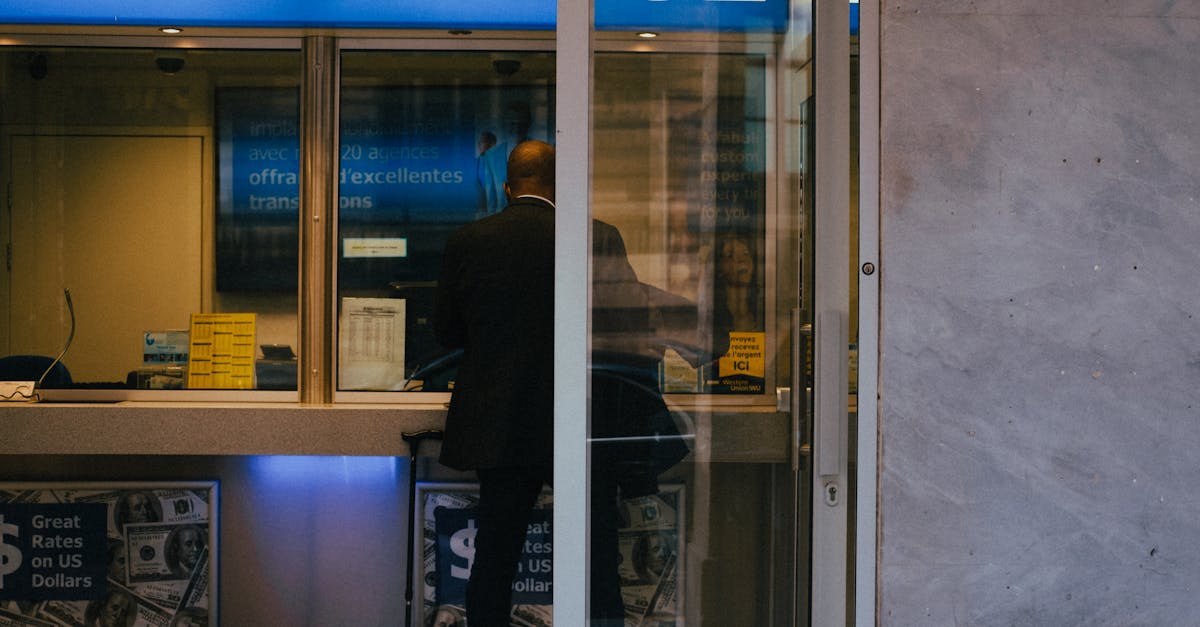
Imagine the Johnson family, eagerly planning their trip to Europe. Lucy and Mark, along with their two children, have saved diligently for months, stashing away every dollar they could spare. They envisioned roaming the streets of Paris, savoring croissants, and visiting world-famous museums. However, as they refine their budget, they encounter an alarming reality: the dollar’s value against the euro has dropped significantly, affecting their anticipated spending power.
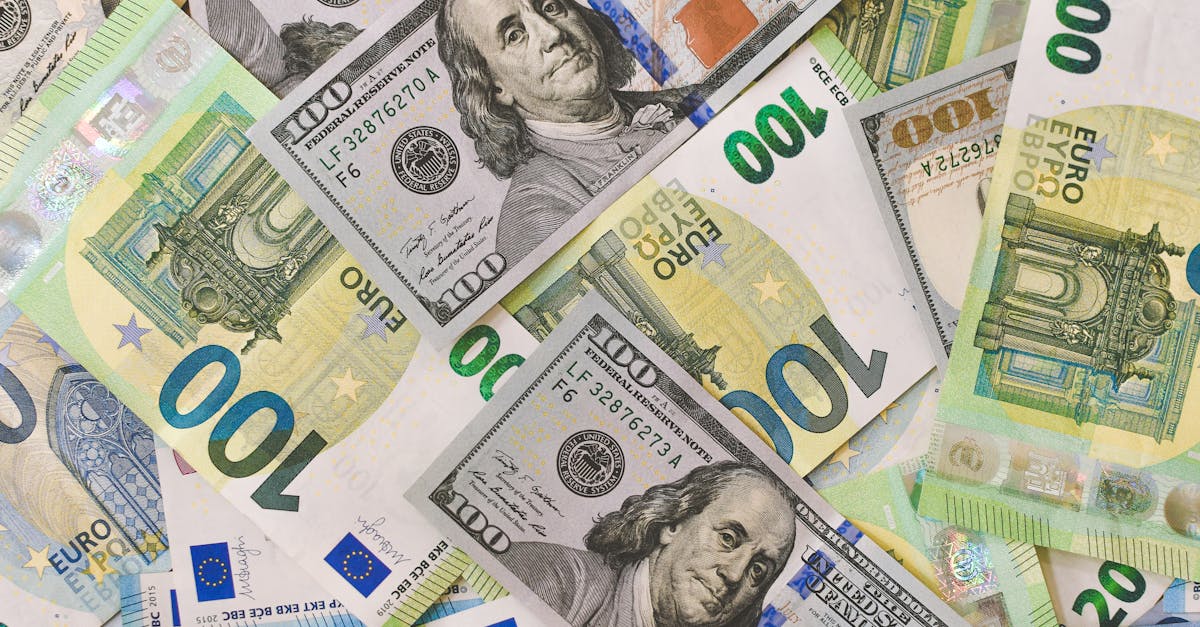
Just a month ago, the exchange rate was roughly 1.10 dollars for one euro. Now, at 1.15, every euro they hoped to spend on delectable treats and souvenirs just became 4.55% more expensive. With an initial budget of $4,000, they had planned on converting about $3,500 into euros. Now, the same amount would yield only about 3,043 euros instead of 3,182, leaving them grappling with a $139 shortfall in funds for their dream across the pond.
The Ripple Effect of Currency Shifts
Exchange rates act as conduits of economic forces, and their fluctuations can profoundly impact personal and corporate finances. For the Johnsons, this means recalibrating their vacation plans, choosing less expensive dining options, or even cutting back on souvenirs.
For businesses, these dynamics resonate even louder. Imports become pricier as foreign suppliers demand more dollars per unit of currency. With inflation is running at 3.8%, as reported by the Bureau of Labor Statistics, U.S. companies must brace themselves for increasing costs of goods. The higher prices can deter consumers from spending, tightening budgets across households and commerce alike.
This tightening is illustrated in the recent unemployment rate, which stood at 4.3%. While this number might seem stable, it reflects an undercurrent of restless economic uncertainty. If businesses hire less due to cost concerns amplified by unfavorable exchange rates, we could see that figure rise, directly impacting family budgets like the Johnsons’.
Interest Rates and Inflation: The Fed’s Balancing Act
The Federal Reserve’s recent stance on interest rates adds another layer to the story. Standing at 3.63%, the current interest rate serves dual purposes: to manage inflation and provide a counterbalance to the exchange rate’s volatility. An uptick in rates could ultimately boost the dollar’s value, enticing foreign investment and improving its purchasing power abroad. However, such moves could also slow economic growth, straining everyday consumers, who may face higher borrowing costs just as they plan their yearly vacations or major purchases.
With the Johnsons contemplating whether to proceed with their European adventure or delay it, every decision reflects a broader narrative woven into the fabric of the economy. Their experience echoes the journey of countless families navigating the shifting landscape of currency value, inflation pressures, and rising living costs.
Back to the Johnsons
As they huddle around the dining room table, calculators and calculators’ faces drawn, the Johnson family wrestles with the weight of each dollar. Perhaps they shift gears, venturing to a closer destination to ease the financial burden—Cost of living adjustments and exchange rate movements play a role they never anticipated entering their planning phase.
The global economy dances in a delicate equilibrium, and as Mark succinctly puts it, “Our once-in-a-lifetime trip may become a vacation some other time.” The ripple effects of exchange rate changes do not merely influence numbers on a ledger; they touch lives and reshape dreams. Whether making plans at the kitchen table or strategizing at a corporate board meeting, every individual feels the tangible stake related to the ever-fluctuating value of the dollar.