The Smiths’ Summer Adventure
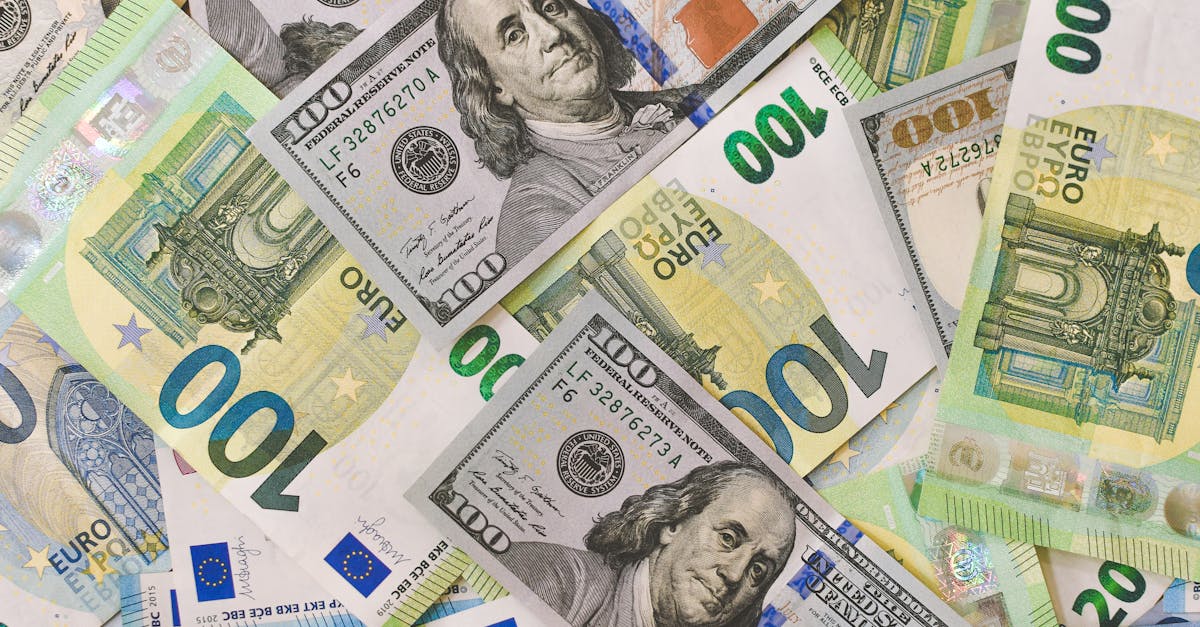
Imagine the Smith family from Ohio, planning their long-anticipated summer vacation to Europe. After months of saving, they have budgeted $3,000 for two weeks in Italy. They’re eager to experience the culture, taste authentic pasta, and explore the scenic landscapes. However, as they approach the date of their departure, they discover that the dollar’s strength against the euro has taken a hit, plunging from 1.10 to 1.05. This minor adjustment in the exchange rate feels almost negligible until it’s translated into their travel budget.
Now, instead of receiving 2,727 euros for their $3,000, they see their purchasing power shrink to only about 2,857 euros. This equates to roughly a $130 loss in potential spending — enough to buy a few meals or a guided tour that they may have to forgo.
A Ripple Effect in the Marketplace
The Smiths are not alone. When the dollar loses value against foreign currencies, American consumers feel the pinch. The Bureau of Labor Statistics reported inflation at 3.3%, which alone complicates budgeting for families like the Smiths. With grocery prices and daily essentials creeping up, every dollar saved at an exchange counter becomes essential. Meanwhile, amidst a backdrop of 4.3% unemployment, many still feel the weight of job security concerns, opting to limit lavish travel plans.
For businesses, the impact is equally significant. Take, for example, a tech company in California that imports components from Germany. Earlier this year, the dollar’s value started to dip, leading to increased costs when orders were billed in euros. A purchase that previously cost the company €100,000 (about $110,000) now translates to $115,000, squeezing profit margins and potentially threatening salaries or expansions. Here, the effects of an exchange rate change ripple through to the workforce; a worker in that firm may face stagnation in their paycheck growth as the company recalibrates its finances to cope with higher input costs.
The Central Bank’s Chess Game
The Federal Reserve, aware of these currency fluctuations, plays its own strategic game. As of the latest findings, the interest rate stands at 3.64%. These monetary policy decisions aim to fortify the dollar amidst changing global dynamics. Consider how every increase is like putting a suit of armor on the dollar, helping it stand firm against volatility in foreign markets.
Interest rates don’t only affect borrowing costs; they influence the strength of the dollar on the world stage. A strong dollar can make imports less expensive, but it also makes U.S. exports pricier, potentially leading to a trade balance that tips unfavorably. Business owners navigating international markets wrestle with pricing dilemmas while trying to remain competitive.
Back to the Smiths
As the Smith family sits in their cozy living room on the eve of their trip, they worry about how much they can actually enjoy their vacation. What was initially a straightforward equation of dollars to euros now has added layers of complexity: rising inflation, a shifting job market, and fluctuations in currency value. They dial back their plans, making sacrifices to account for the dollar’s new dance — one that doesn’t always align with the rhythm of their dreams.
Ultimately, exchange rates touch every corner of daily life, reminding us how intricately connected our economy is to the broader global landscape. Each time the dollar fluctuates, it’s not just numbers on a screen; it has tangible effects on plans, products, and people’s lives, imperceptibly weaving into the fabric of everyday decisions.